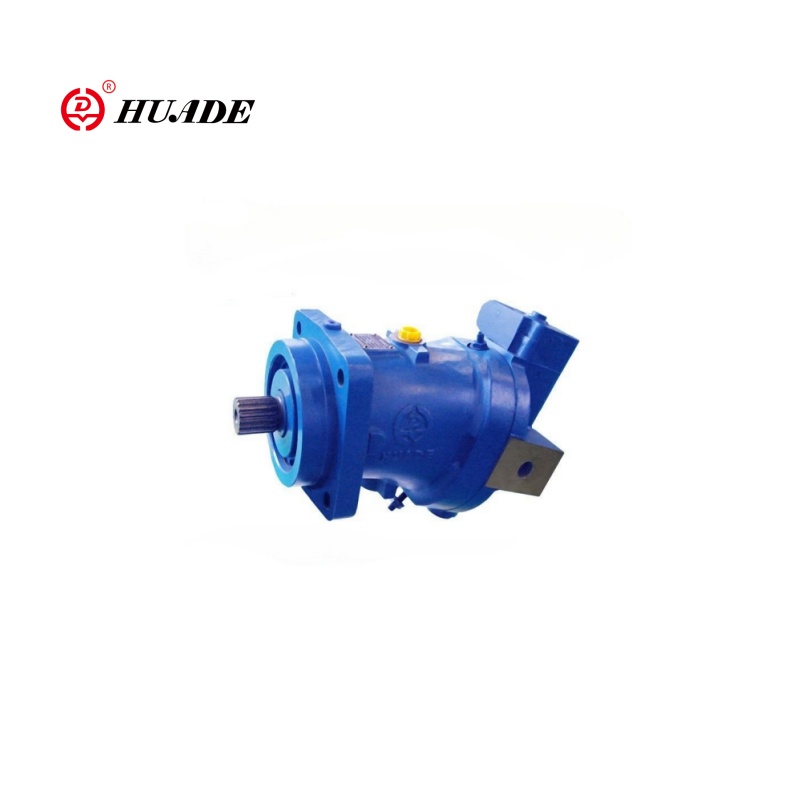





If you’ve ever had to source a replacement for a blown motor on a Saturday morning, you know that looking for an axial piston motor price is a bit of a rabbit hole. I’ve spent two decades in this industry, and I’ve seen prices range from the cost of a high-end mountain bike to the price of a luxury SUV.
When you see a price tag on a Rexroth A6VM or a Danfoss Series 90, you aren't just paying for the iron. You’re paying for the metallurgy that keeps those pistons from seizing at 450 bar. Let’s break down what actually drives those numbers so you don't overpay for "shiny paint" or underpay for "scrap metal."
Market Tiers: What Are You Actually Buying?
In the B2B world, we categorize these motors into three tiers. Understanding where your application sits will save you thousands in the long run.
| Market Tier | Estimated Price (USD) | Common Brands / Examples | Best Use Case |
|---|---|---|---|
| Premium (Tier 1) | $1,500 – $10,000+ | Bosch Rexroth, Danfoss, Parker | Critical production, high-pressure cycles |
| Quality Reman | $800 – $5,500 | OEM Certified Refurbished | Fast repair, 60-80% of new cost |
| Budget Aftermarket | $300 – $1,200 | Generic Chinese / Local brands | Low-duty cycle, backup equipment |
Technical Cost Drivers: Swashplate vs. Bent Axis
Why is a bent axis motor almost always more expensive than a swashplate design? It comes down to mechanical complexity.
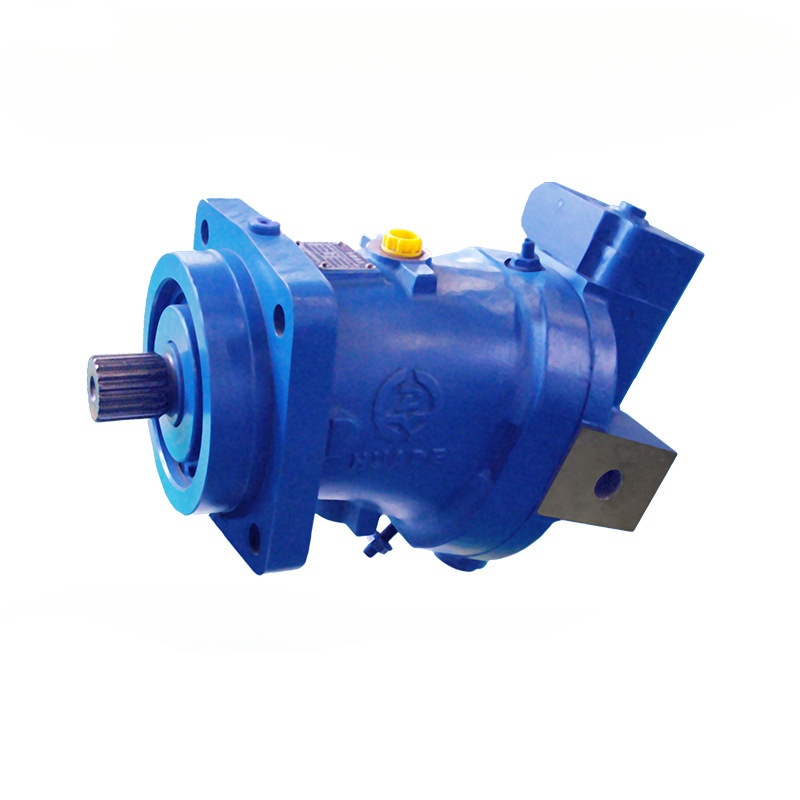
- Bent Axis (e.g., Rexroth A2FE): These use spherical pistons and a heavy-duty synchronization joint. Because they can tilt up to 40° or 45°, they offer much higher starting torque. Manufacturing those ball-and-socket joints to ISO 9001 standards requires high-end 5-axis machining, which is why you’ll see a 30% price premium here.
- Swashplate (e.g., Danfoss H1B): These are more compact and use a "slipper pad" design. They are the "workhorses" of the industry. Because they are easier to mass-produce, the cost is lower, but they typically tap out at 20° angles, limiting their torque range.
The Control Premium: Fixed vs. Variable
If your motor has a Variable Displacement control, get ready to open your wallet. A fixed motor is just a "dumb" rotator. A variable motor is a computer-controlled athlete.
- Mechanical Variable: Adds about 20% to the cost.
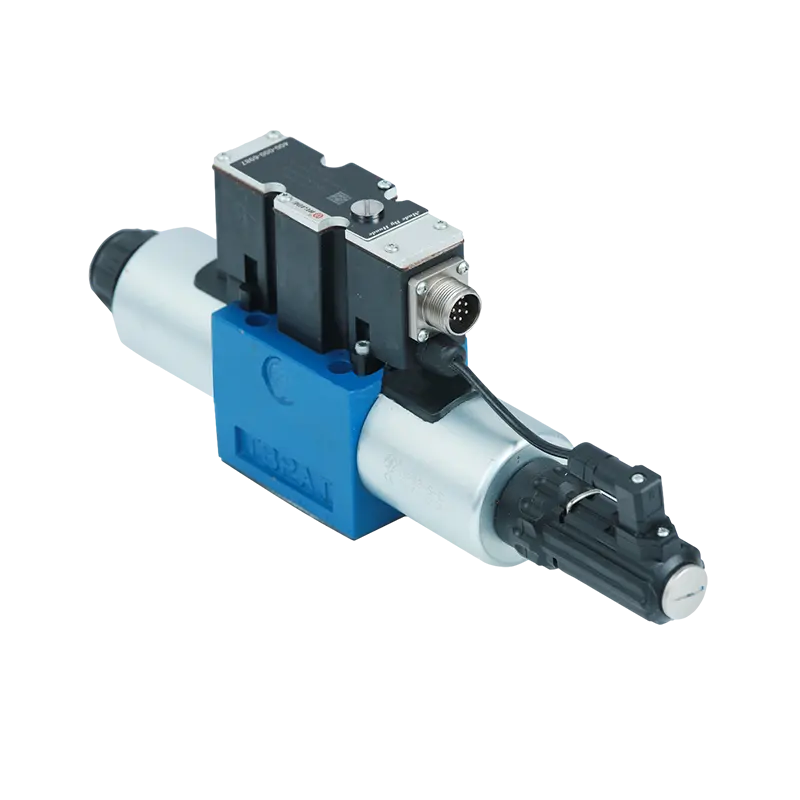
- Electro-Hydraulic Proportional (EP): This adds a high-end solenoid valve and often an LVDT sensor. This can double the price. For example, a standard motor might cost $2,000, but adding an integrated SAE J1939 electronic controller can push that to $4,500.
Repair vs. Replace: The 50% Rule
As an engineer, I get asked daily: "Should I fix it or trash it?" Here is the "shop floor" logic I use.
Take the price of a brand-new unit. If the repair estimate (Labor + Hard Parts) exceeds 50-60% of the new price, buy the new one. Why? Because a repaired motor still has an old housing. If the housing has "scuffed" bores, your volumetric efficiency (\( \eta_v \)) will never return to factory specs. You'll end up wasting fuel and generating heat, which costs more than the $1,000 you "saved" on the repair.
Identifying the "Budget Trap"
I’ve seen $400 motors that look identical to $2,000 Rexroth units. Here is the danger: Internal Leakage.
Cheap motors often have poor heat treatment on the Valve Plate. After 500 hours of operation, the metal "softens," and oil begins to bypass the pistons.
$$ P \cdot Q = \text{Constant} $$When internal leakage (\( Q_{leak} \)) increases, the motor has to work harder to maintain the same power output. This creates a "thermal runaway" where the oil gets thinner, the leakage gets worse, and eventually, the motor seizes.
Logistics and the "Lead Time Tax"
In 2026, the biggest hidden cost is Lead Time.
- Stocked Items: You might pay a 10-15% "convenience fee" for a distributor who has the motor on the shelf.
- Factory Orders: Can be cheaper but might take 22 weeks.
- Tariffs: If you are importing from China to the US, remember the Section 301 duties. That $800 motor can quickly become $1,100 once customs and "List 1" 25% tariffs are applied.