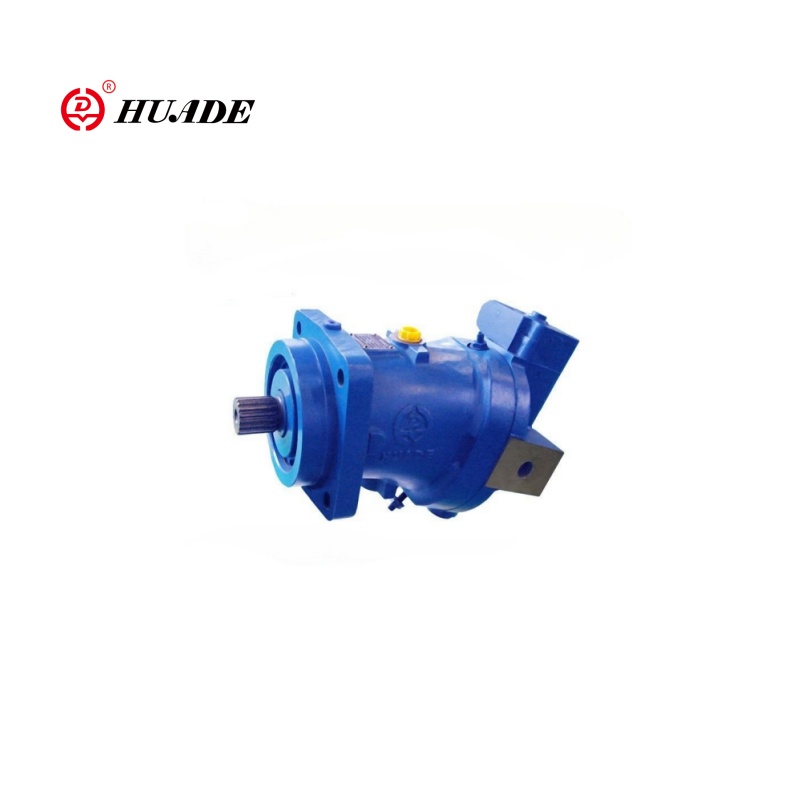


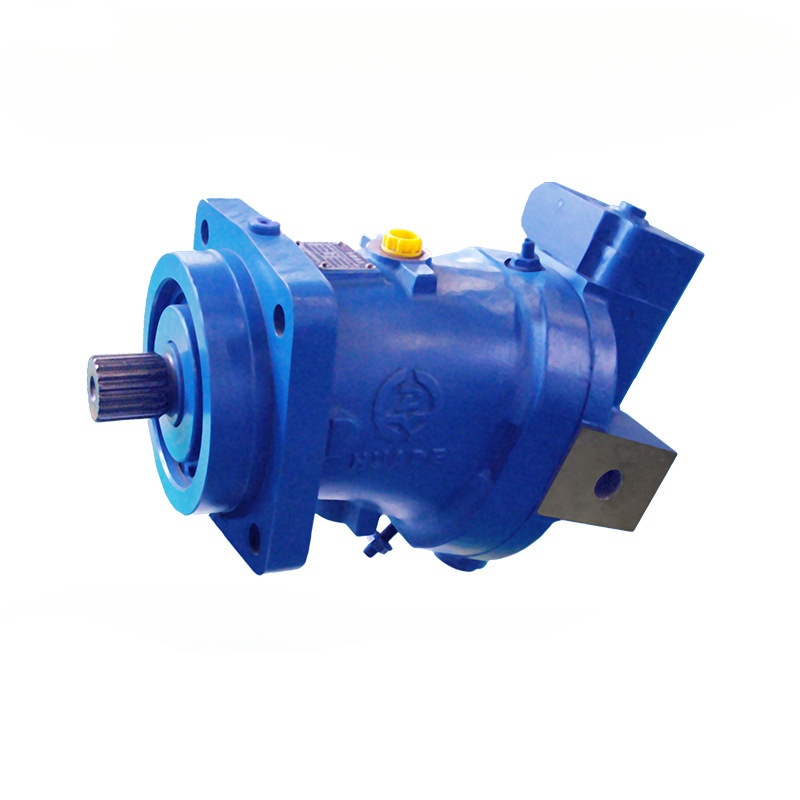



If you’re shipping an axial piston motor across borders, the last thing you want is a call from a customs agent telling you that your paperwork is "inconsistent." I’ve spent over two decades dealing with the mechanical side of these units, but I've also seen how a single wrong digit in an axial piston motor HS code can lead to thousands of dollars in storage fees or miscalculated tariffs. Getting the code right isn't just a clerical task; it’s about understanding the legal distinction between a component that creates pressure and one that uses it.
The "Pump vs. Motor" Trap: 8412 or 8413?
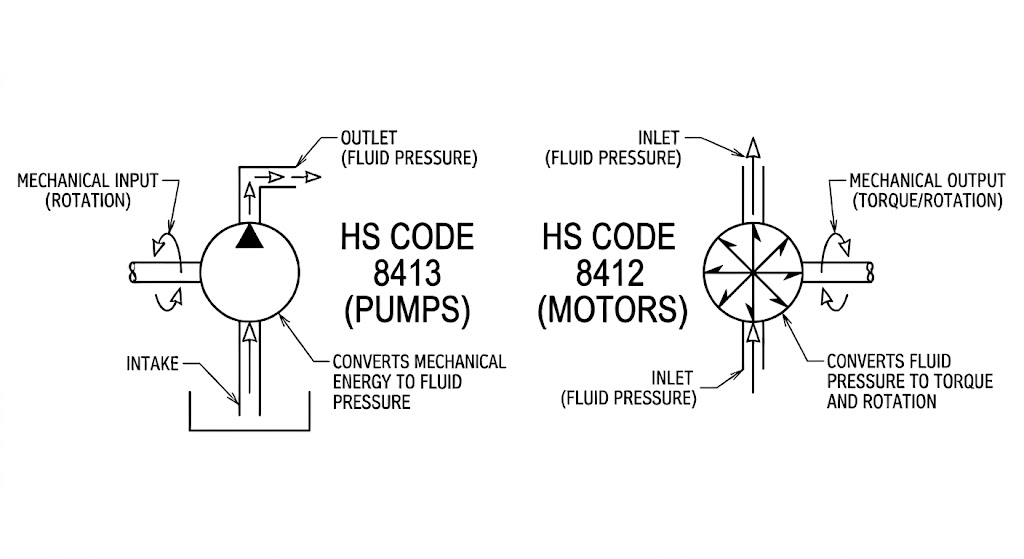
The biggest mistake I see in the field is people using the code for a hydraulic pump when they are actually shipping a motor. In the Harmonized System (HS), these are two completely different animals.
- Heading 8413 (Hydraulic Pumps): This is for units that convert mechanical energy into fluid pressure. If it’s pushing oil into the system, it's an 8413.
- Heading 8412 (Hydraulic Motors): This is for "Other engines and motors." Since a hydraulic motor takes fluid pressure and turns it into torque and rotation, it belongs here.
For an axial piston motor HS code, the first six digits are almost universally 8412.29. This covers "Hydraulic power engines and motors, other than linear acting (cylinders)."
Global HS Code Breakdown by Region
While the first six digits are standardized globally by the WCO, the "tail" of the code changes depending on where you are shipping. If you get the statistical suffix wrong in the US or China, your entry might be flagged for a manual review.
| Region | HS/HTS Code | Technical Description |
|---|---|---|
| Global (WCO) | 8412.29 | Hydraulic power engines and motors (Non-linear) |
| United States (HTSUS) | 8412.29.8045 | Axial piston type, unlimited rotary acting |
| China (HTS CN) | 8412.29.90.90 | Other hydraulic power engines (includes axial piston) |
| European Union (TARIC) | 8412.29.81.10 | Hydraulic systems, engines and motors |
What You Must Include in Your Declaration
Customs agents aren't engineers. They rely on the "Description of Goods" on your commercial invoice to verify the axial piston motor HS code. To avoid delays, I always tell my clients to include these specific details:
- Function: Explicitly state "Hydraulic Motor" (not just "Hydraulic Unit").
- Design Type: Mention it is "Axial Piston" and whether it is "Bent Axis" or "Swash Plate."
- Action: Note that it is "Rotary Acting" (to distinguish it from a linear cylinder).
- Displacement: State if it is "Fixed Displacement" or "Variable Displacement."
- Application: Is it for an excavator, a winch, or a plastic injection machine? This helps justify the classification under 8412.
Dealing with Section 301 Tariffs and Trade Costs
If you are importing an axial piston motor from China into the US, your cost isn't just the sticker price. Under Section 301 (List 1), these motors (specifically HTS 8412.29.80) have been subject to a 25% additional tariff.
Even in 2026, many of these trade remedies remain in place. You should check the latest USTR exclusion lists. If your motor is designed for a very specific medical or high-tech application, you might be eligible for a tariff exemption using a secondary code like 9903.88.01. Always calculate your Landed Cost using this formula:
$$ \text{Landed Cost} = \text{CIF Value} + (\text{CIF} \times \text{MFN Duty}) + (\text{CIF} \times \text{Section 301 Duty}) + \text{Fees} $$Common FAQ: Is it a Motor or a Gearbox?
I often get asked about "Integrated Drive Units"—where an axial piston motor is bolted directly to a planetary gearbox. Does this change the axial piston motor HS code? Usually, yes.
If the motor and gearbox are shipped as a single, inseparable unit (like a final drive for a crawler), customs may view it as a "Gearbox" under 8483. However, if the motor can be easily detached, it should still be declared under 8412.29. The essential character rule usually dictates that the motor is the primary component providing the power, but different ports have different interpretations. When in doubt, provide the technical drawing showing the separation point.