




If you are reading this, you are likely dealing with one of two problems: either your car’s rear wheels are locking up every time you tap the brakes, or you’ve just done a drum-to-disc conversion and the pedal feels wrong. The culprit is almost always a small, overlooked brass block called the Proportioning Valve.
What Does a Proportioning Valve Do?
In simple terms, a proportioning valve is a pressure limiter for your rear brakes. When you slam on the brakes, your car’s weight shifts forward (nose dive). This makes the rear tires light and the front tires heavy.
- Without a valve: The rear brakes would get full pressure, causing the light rear tires to lock up instantly. This leads to a dangerous spin-out.
- With a valve: It reduces hydraulic pressure to the rear wheels during hard stops, keeping them rolling just enough to maintain control while the front brakes do the heavy lifting.
It doesn't reduce pressure all the time. During normal, gentle braking, it allows a 1:1 flow (full pressure) to the rear. It only kicks in during panic stops or heavy load transfer.
How It Works: The "Knee Point" Concept
To understand the valve, you need to understand the "Knee Point." Imagine a graph of your braking force:
- 0 - 300 PSI (Light Braking): The valve is wide open. Rear brakes get 100% pressure.
- The Knee Point (e.g., 500 PSI): Once pressure hits this preset limit, the valve activates.
- Above 500 PSI (Hard Braking): The valve restricts flow. For every 100 PSI added to the front, the rear might only get 43 PSI.
Why this matters: If you swap heavy iron brake drums for modern calipers (Disc Conversion), you change the hydraulic physics. Disc brakes require more pressure than drums. If you keep the old valve, it will restrict flow too early, and your new rear brakes will barely work.
Symptoms of a Bad Proportioning Valve
A. Rear Wheel Lock-Up (The "Spin-Out" Risk)
The Symptom: You touch the brakes on a wet road, and the back end of the car immediately slides out sideways.
The Cause: The valve is stuck "Open," sending 100% pressure to rear wheels during panic stops.
The Symptom: The car feels like it's diving nose-first into the ground; braking distances are long.
The Cause: The valve is stuck "Closed" or clogged. Rear brakes get zero pressure.
The Symptom: You bled the brakes five times, but the pedal is still mushy.
The Cause: On older cars (GM/Ford), the valve has a "centering pin" for the warning light. If tripped during bleeding, it blocks flow. You may need a specialized tool to reset it.
Types of Valves: Fixed vs. Adjustable
Not all valves are created equal. Knowing which one you have is critical for repairs.
| Valve Type | Where It's Found | Pros & Cons |
|---|---|---|
|
Fixed Valve (Combination Valve) |
Most stock passenger cars (OEM) |
Pro: Maintenance-free. Con: Cannot be adjusted. Bad for modified cars. |
| Load-Sensing (LSPV) | Pickup trucks & SUVs |
Pro: Adjusts rear braking based on cargo weight. Con: Lift kits require extending the lever arm. |
| Adjustable Valve | Race cars & Modified Street Cars |
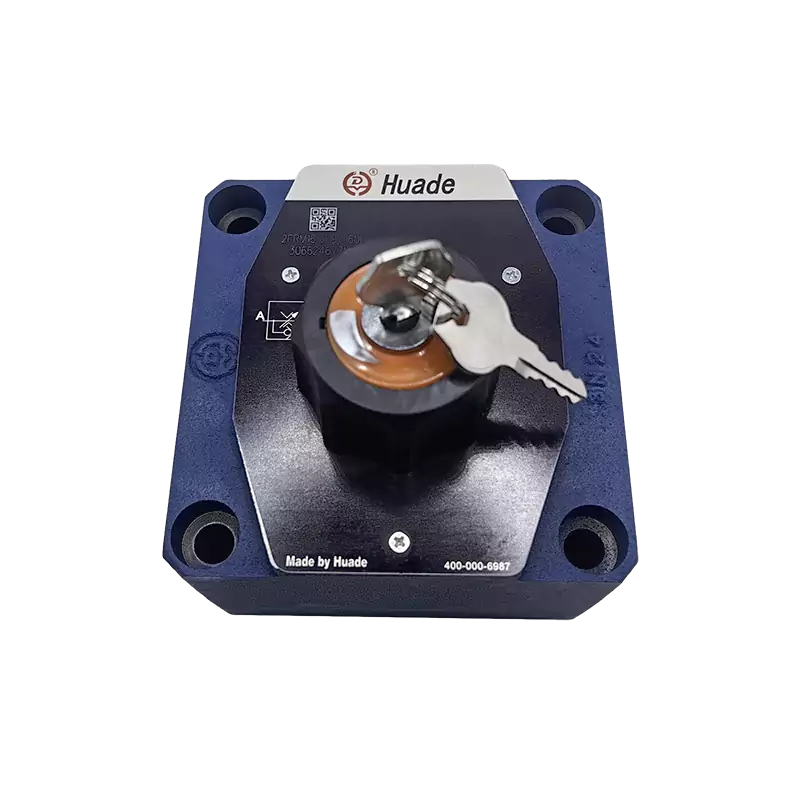
Pro: Knob for fine-tuning bias. Con: Requires manual tuning; may be illegal for street use. |
FAQ: Mechanic’s Corner
Q: Does the proportioning valve go to the front or rear lines?
A: It always installs on the rear brake line. Never restrict pressure to the front brakes.
Q: Can I clean or rebuild an old valve?
A: Generally, no. Most are sealed units. If clogged or leaking, replace it. Rebuild kits are rare and risky.
- Find a safe, empty parking lot (dry pavement).
- Turn the knob all the way to "Decrease" (Least Rear Pressure).
- Do a hard stop from 30 MPH. Front tires should lock just before rears.
- If fronts lock way before rears, turn knob to "Increase." Repeat until fronts lock slightly before rears. Never set it so rear wheels lock first.
Summary: The proportioning valve manages weight transfer physics. Rear wheels locking? Valve failed open. Nose diving? Valve failed closed. Lifted truck? Adjust your LSPV arm. Drum-to-Disc Swap? Buy an adjustable valve.