

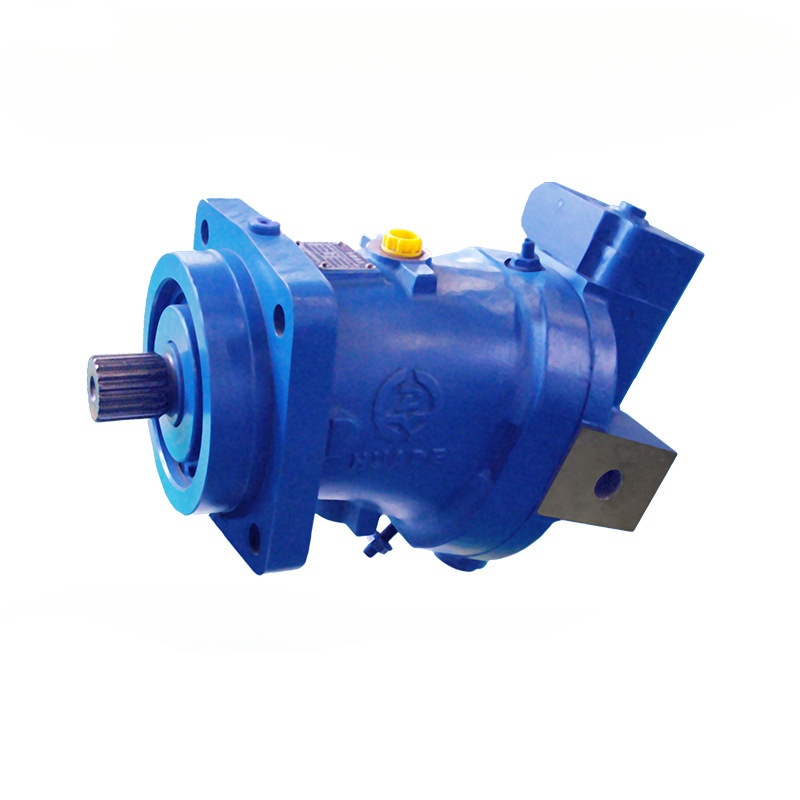



If your axial piston pump is making a noise that sounds like a bucket of gravel being shaken, I know exactly what’s going through your head: How much is this going to cost me in downtime? As someone who has spent two decades troubleshooting these "hearts" of hydraulic systems, I can tell you that a noisy pump is a cry for help. Ignoring it is the fastest way to turn a $500 maintenance fix into a $20,000 total system failure.
Let’s skip the fluff and look at the five most common reasons your pump is screaming, and more importantly, how you can fix it before the metal starts flying.
1. Vaporous Cavitation: The "Gravel" Sound

This is the most common killer. Cavitation happens when the pump can't get oil fast enough. A vacuum forms, creating tiny vapor bubbles. When these bubbles hit the high-pressure side of the pump, they implode with enough force to literally blast tiny chunks of metal off your valve plate.
- The Sound: A distinctive, sharp "rattling" or "marbles" sound that gets worse as you increase pressure.
- The Culprit: Usually a clogged suction filter, a cold-start with oil that is too thick, or a suction line that is too small.
- The Fix: Check your inlet vacuum. If it’s exceeding 0.8 bar abs, you’ve got a restriction. Clean the strainers and make sure your intake shut-off valve is 100% open.
2. Aeration: The "High-Pitched Whistle"
Unlike cavitation, which is caused by a vacuum, aeration is caused by outside air getting sucked into the system. It sounds similar, but the damage is different—it causes the oil to overheat and lose its lubrication properties, leading to "dieseling" inside the pump.
- The Sound: A consistent, high-pitched whining or "shrieking."
- The Culprit: A leaky shaft seal, a loose fitting on the suction side, or low oil levels in the reservoir allowing a vortex to pull air in.
- The Fix: The "Grease Test." Apply a thick layer of grease or heavy oil around the shaft seal and suction joints while the pump is running. If the noise suddenly drops, you’ve found your air leak.
3. Mechanical Wear: Rhythmic Clattering
When your pump's internal components—like the slipper pads, cylinder block, or swash plate—start to wear out, the noise becomes mechanical. This is usually due to poor oil cleanliness. If you aren't meeting ISO 4406 18/16/13 standards, you’re basically running liquid sandpaper through your pump.
- The Sound: A rhythmic "thumping" or "clacking" that matches the RPM of the pump.
- The Culprit: Metal-to-metal contact. The hydrostatic film between the slipper and the swash plate has failed.
4. Misalignment: The Constant Droning
I see this all the time on new installs. If the pump shaft and the motor shaft aren't perfectly aligned, it creates a massive radial load on the front bearing.
- The Sound: A low-frequency "hum" or "drone" that vibrates through the entire machine frame.
- The Culprit: The coupling is fighting against the shafts. Even a "flexible" coupling can only handle a fraction of a degree of misalignment.
- The Fix: Use a laser alignment tool or a dial indicator. You want to see less than 0.05 mm of runout. Also, check for a "soft foot" where one mounting bolt is pulling the pump housing and distorting it.
5. System Resonance & Relief Valve Chatter
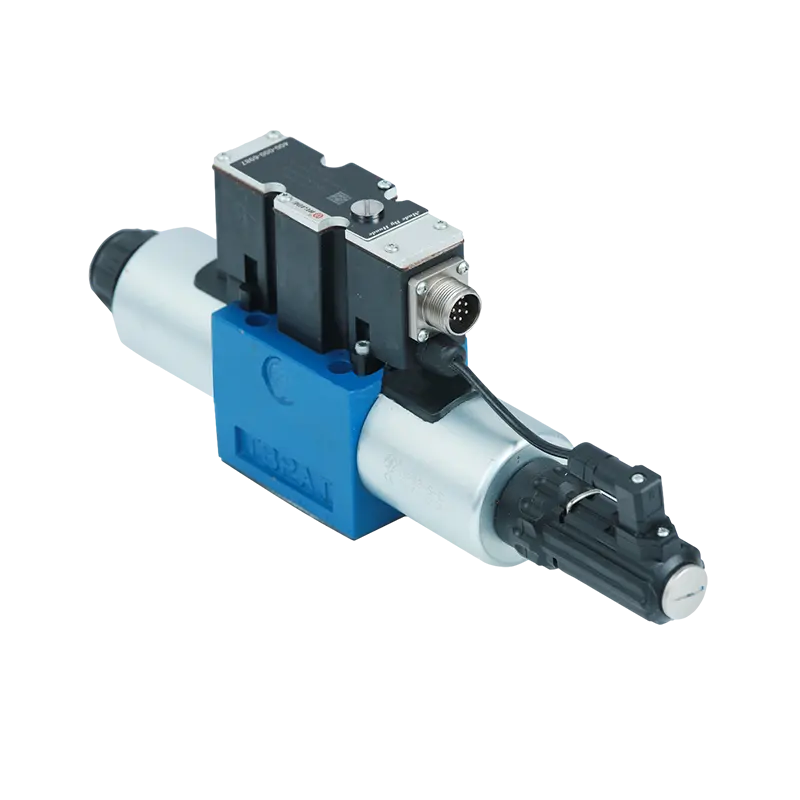
Sometimes the pump is the messenger, not the criminal. If your relief valve is set too close to the pump's working pressure, it can "chatter"—opening and closing rapidly. This creates a vibration that travels back through the lines and makes it sound like the pump is failing.
- The Sound: A "honking" or "hissing" sound that changes when you touch the hydraulic hoses.
- The Culprit: The harmonic frequency of the piping matches the piston pass frequency of the pump.
(Where \( n \) is RPM and \( z \) is the number of pistons).
The Fix: Increase the gap between your pump compensator setting and your safety relief valve (usually a 20 bar difference). If it’s a pipe vibration, try adding a high-pressure hose to break the rigid connection.
Diagnostic Quick-Reference Guide
To make your life easier, use this table to narrow down your search before you pull the pump off the mount.
| Sound Character | Primary Suspect | Immediate Action |
|---|---|---|
| Gravel / Marbles | Cavitation | Check/Replace suction filter. |
| High-Pitch Whine | Aeration | Tighten suction fittings; check oil level. |
| Rhythmic Clatter | Internal Wear | Measure Case Drain flow volume. |
| Low Drone / Vibration | Misalignment | Re-align pump and motor shafts. |
| Hissing / Honking | Relief Valve | Adjust pressure settings or check valve seat. |