




If you have ever tried to push thick industrial grease through a pipe, or watched a waterjet cutter slice through steel like butter, you have witnessed the power of a Piston Pump. In my 20 years designing fluid systems, I’ve learned that while Centrifugal pumps are the "workhorses" of the industry (moving water cheaply), Piston Pumps are the "muscle."
When you need to generate 10,000 PSI, move fluid as thick as peanut butter, or inject chemicals with laboratory precision, a standard pump will fail. You need Positive Displacement (PD). Here is the engineering reality of what a piston pump is, how it defies standard fluid dynamics, and exactly where you should (and shouldn't) use one.
The Core Concept: Flow vs. Pressure
Before we look at applications, we must clear up a common misconception. Piston pumps do not create pressure; they create flow. Pressure is simply the result of the system resisting that flow.
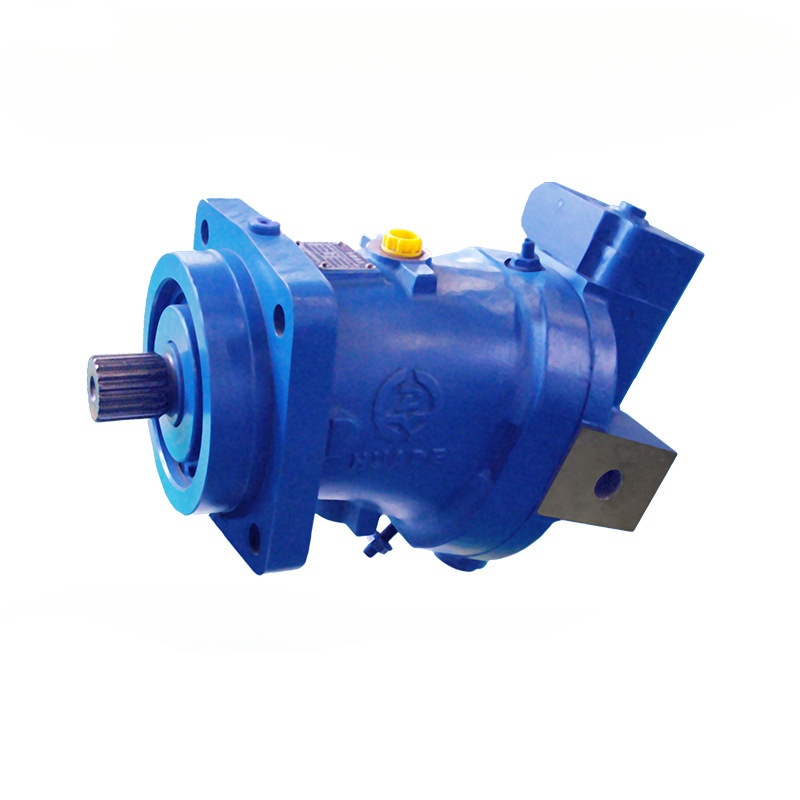
Unlike a centrifugal pump, which spins liquid to create velocity, a piston pump uses a reciprocating mechanism (a piston moving back and forth in a cylinder) to physically trap a fixed volume of fluid and force it out.
- Intake Stroke: The piston pulls back, creating a vacuum (negative pressure). The inlet valve opens, and fluid fills the cylinder.
- Discharge Stroke: The piston pushes forward. The inlet valve closes, and the fluid is mechanically forced out through the outlet valve.
Because of this Positive Displacement physics, the pump will push fluid regardless of how high the back-pressure gets—until something breaks or the relief valve pops.
The 3 Critical "Jobs" of a Piston Pump
We don't just choose piston pumps for specific industries; we choose them for specific fluid behaviors. If your project demands any of the following three capabilities, a piston pump is likely your only choice.
1. Generating Extreme Pressure (High Head)This is the #1 reason engineers spec piston pumps. A centrifugal pump struggles to go above 300-400 PSI effectively. A piston pump thrives there.
- Water Jet Cutting: Utilizing ultra-high pressure (up to 60,000 PSI) to cut stone and metal.
- Hydraulic Power: Powering the heavy rams on excavators and injection molding machines.
- Reverse Osmosis (Desalination): Forcing salt water through microscopic membranes requires immense consistent pressure.
Centrifugal pumps rely on rotational speed. If the fluid is too thick (viscous), the impeller just spins without moving fluid (cavitation). Piston pumps don't care about viscosity.
- Food Processing: Moving tomato paste, chocolate, or cookie dough.
- Oil & Gas: Pumping drilling mud (slurry) or heavy crude oil.
- Paint Sprayers: Airless sprayers use small piston pumps to atomize thick latex paint.
Because the cylinder volume is fixed, a piston pump delivers a precise amount of liquid with every stroke.
- Chemical Injection: Dosing exact amounts of chlorine into water treatment plants.
- Medical: Infusing drugs where even a 1% variance is dangerous.
- Agriculture: Injecting exact fertilizer ratios into irrigation lines (Fertigation).
Piston vs. Plunger: A Critical Distinction
You will often hear the terms "Piston Pump" and "Plunger Pump" used interchangeably. As an engineer, you need to know the difference, because it affects maintenance and pressure limits.
- Piston Pump: The seal is on the moving piston itself (like a car engine). These are generally for medium pressures (< 2,000 PSI) because the seal rubs against the cylinder wall.
- Plunger Pump: The seal is stationary in the pump housing, and a smooth ceramic or metal plunger slides through it. These are built for extreme pressures (> 2,000 PSI). If you are doing high-pressure washing or fracking, you are likely using a plunger pump.
Comparison: Centrifugal vs. Piston Pump
This table breaks down the decision matrix we use during the system design phase.
| Feature | Centrifugal Pump | Piston Pump (Positive Displacement) |
|---|---|---|
| Flow vs. Pressure | Flow drops as pressure increases. | Flow remains constant regardless of pressure. |
| Viscosity Handling | Poor. Efficiency drops with thick fluids. | Excellent. Handles >1,000 cP easily. |
| Flow Type | Smooth, continuous flow. | Pulsating flow. (Often requires a dampener). |
| Self-Priming | Generally No. | Yes. Can create a vacuum to lift fluid. |
| Maintenance Cost | Low. Few moving parts. | High. Valves, seals, and packings wear out. |
| Efficiency | Low at high pressure. | High (>85% Volumetric Efficiency). |
The Downsides: What to Watch Out For
I wouldn't be doing my job if I didn't warn you about the challenges. Piston pumps are powerful, but they are high-maintenance beasts.
- Pulsation (Vibration): Because the pump acts in "strokes," the flow isn't smooth—it pulses. Pro Tip: Always install a Pulsation Dampener (usually a nitrogen-charged accumulator) on the discharge side to smooth out the flow.
- Cavitation: If the pump sucks harder than the fluid can flow into it (low NPSH), the fluid boils into vapor bubbles. When these bubbles collapse, it sounds like gravel rattling and destroys pistons.
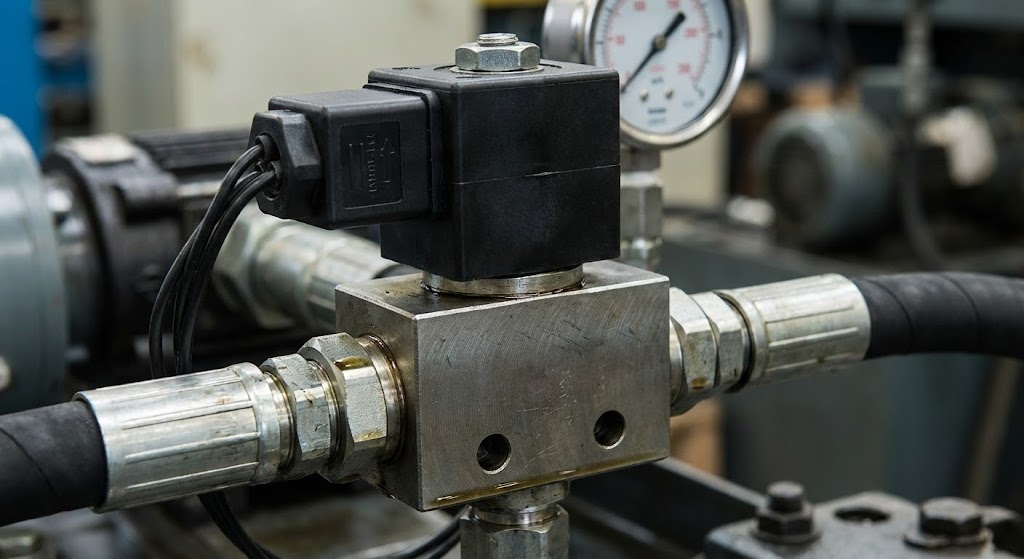
If you close a valve downstream of a centrifugal pump, the water just spins inside. If you close a valve downstream of a piston pump, something will explode. You must install a safety relief valve.
Conclusion
So, what is a piston pump used for? It is used when you need force, precision, and consistency that a standard pump cannot provide. It is the technology of choice for Pressure Washing, Hydraulic Machines, Chemical Dosing, and Heavy Industrial Slurries.
If you are selecting a piston pump, pay close attention to the Inlet Pressure (NPSH). 80% of the failures I see are caused by starving the pump on the inlet side. Ensure your feed line is large enough!