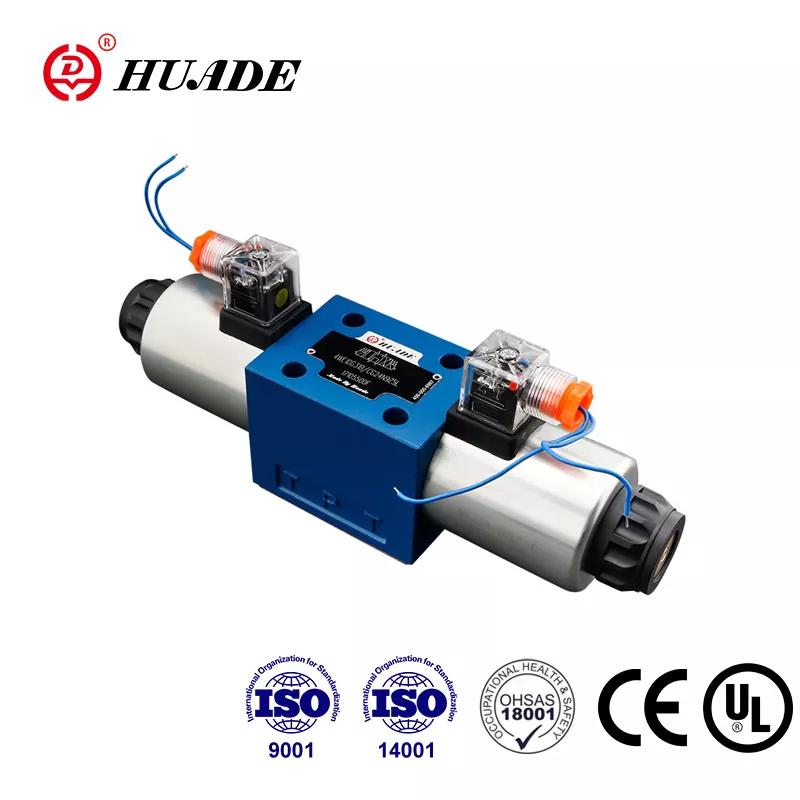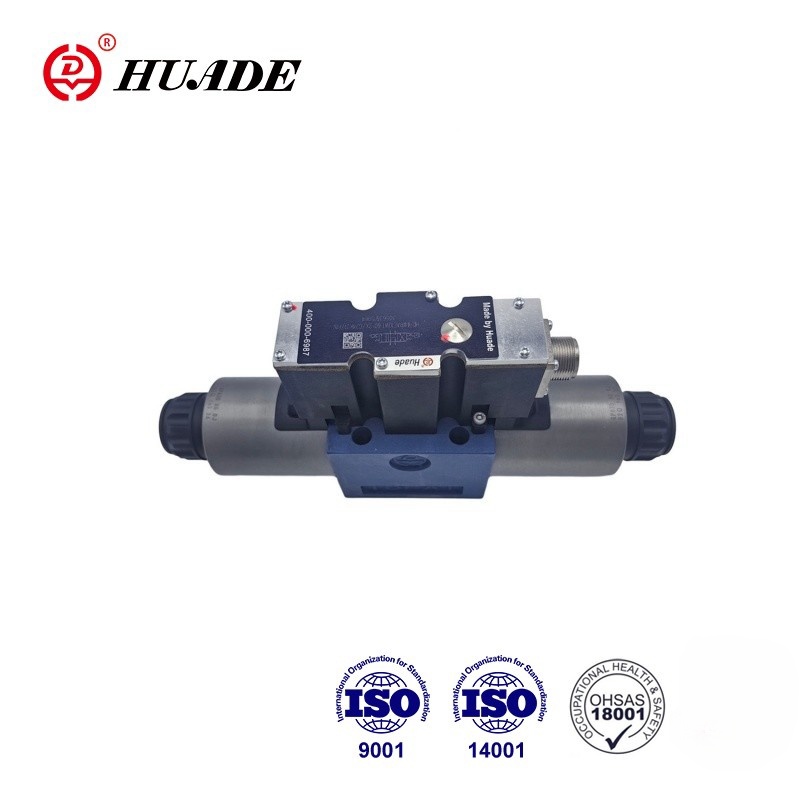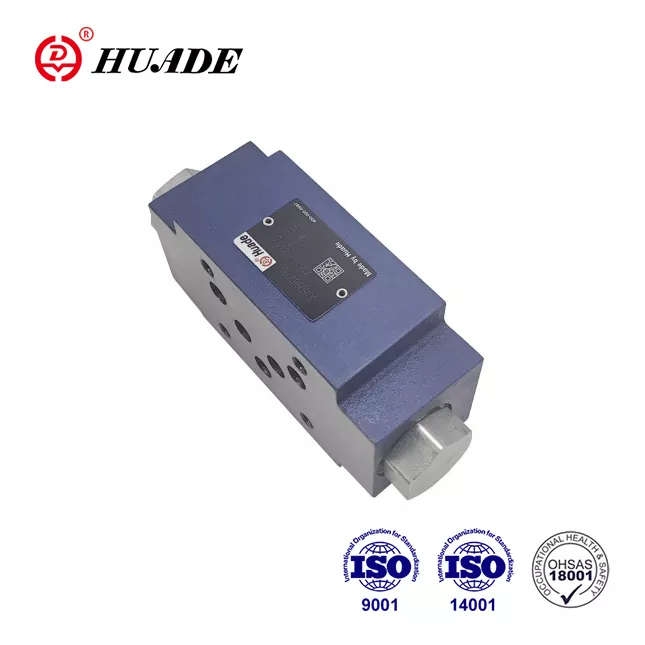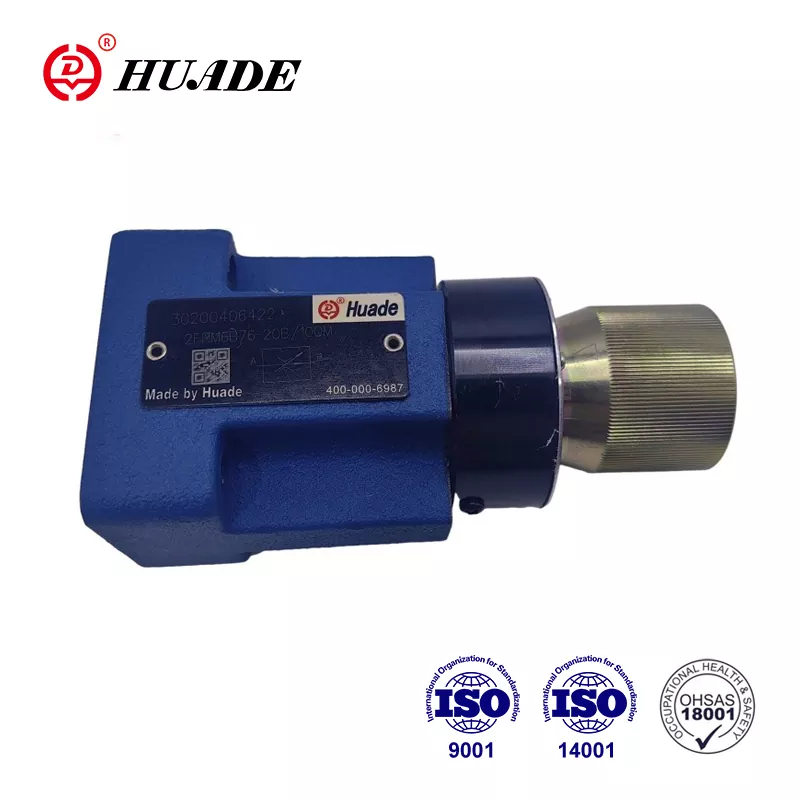





A check valve is a self-actuating mechanical device designed to allow fluid flow in one direction while automatically preventing backflow when the pressure gradient reverses. Unlike control valves that require external actuation through pneumatic, electric, or hydraulic mechanisms, check valves operate autonomously using the kinetic and potential energy inherent in the process fluid itself.
This fundamental characteristic makes them indispensable in protecting pumps, preventing contamination, and maintaining system integrity across virtually every industrial fluid handling application.
Core Functions: Why Check Valves Are Essential
The purpose of a check valve extends far beyond simple flow direction control. These devices serve multiple critical functions that directly impact system safety, equipment longevity, and operational efficiency.
Backflow Prevention and System ProtectionThe primary purpose of any check valve is to block reverse flow when upstream pressure drops below downstream pressure. In pumping systems, this prevents fluid from draining back through the pump when it stops, which would force the impeller to spin backward. This reverse rotation can destroy mechanical seals, damage bearings, and cause catastrophic pump failure.
Water Hammer MitigationWater hammer (hydraulic shock) occurs when a moving fluid column is suddenly stopped, converting kinetic energy into a pressure surge. The pressure spike can be calculated using the Joukowsky equation:
The purpose of properly selected check valves is to close before reverse flow velocity builds up. Modern axial flow (nozzle) check valves accomplish this through low-mass discs and spring assistance, closing while the fluid is still decelerating forward. This "non-slam" characteristic prevents the formation of destructive pressure waves.
[Image of water hammer pressure wave diagram] Pressure Maintenance and Energy EfficiencyIn multi-pump installations, check valves prevent pressurized fluid from the discharge header from back-feeding through idle pumps. This compartmentalizes the hydraulic circuit, ensuring each pump's output reaches the intended destination rather than circulating uselessly through parallel equipment.
How Check Valve Design Fulfills Purpose
Different check valve designs address specific functional requirements through distinct mechanical principles.
| Valve Type | Operating Mechanism | Primary Purpose | Response Speed |
|---|---|---|---|
| Swing Check | Hinged disc, gravity-closed | Low resistance for gravity flow systems | Slow |
| Lift Check | Linear disc motion, guided | Tight shutoff for high-pressure steam/gas | Medium |
| Dual Plate | Spring-loaded split discs | Compact surge protection in space-limited installations | Fast |
| Axial Flow | Spring-assisted axial disc | Non-slam closure for critical pump/compressor protection | Very Fast |
The critical engineering purpose behind this design is closing before reverse flow occurs. By the instant velocity reaches zero, the valve is already closed, fundamentally eliminating the velocity reversal necessary for water hammer formation.
Application-Specific Purposes Across Industries
Municipal Water and WastewaterIn water treatment, check valves prevent treated water contamination and protect pumps. For outfall applications discharging treated effluent, duckbill check valves dominate. Their elastomeric "beak" design prevents saltwater intrusion during tidal surges.
Oil and Gas Pipeline OperationsLong-distance pipelines operate under API 6D standards requiring "piggability." Full-bore swing check valves fulfill this purpose by retracting completely out of the flow path. In offshore platforms, compact wafer-style dual-plate valves provide surge protection with minimal footprint.
Nuclear Power GenerationCheck valves in Service Essential Component (SEC) systems must provide reliable isolation between redundant safety trains. Flow-induced vibration and water hammer are primary failure modes, driving the adoption of silent check technology.
The Consequences of Check Valve Failure

Cavitation and Erosion: A leaking check valve allows a continuous reverse flow jet. This creates a low-pressure zone where vapor bubbles form and collapse, carving away valve internals and adjacent piping.
Sizing and Selection: Matching Valve to Purpose
A common misconception is that check valve size should match pipe size. This frequently leads to "chatter," where flow velocity is insufficient to hold the valve fully open.
Minimum Velocity RequirementsThe force balance equation dictates that fluid force must exceed resistance. If system flow drops below the critical velocity threshold, the valve hovers and vibrates. Manufacturers provide minimum velocity formulas:
| Pipe Size | Typical Flow | Velocity (Same-Sized) | Rec. Valve Size | Resulting Velocity |
|---|---|---|---|---|
| 4 inch | 200 GPM | 4.1 ft/s | 3 inch | 7.3 ft/s (Stable) |
| 6 inch | 600 GPM | 5.7 ft/s | 5 inch | 8.2 ft/s (Stable) |
Standards, Testing, and the "Zero Leakage" Misconception
Understanding testing protocols reveals what check valves are designed to do.
| Seat Type | Standard | Allowable Leakage | Typical Purpose |
|---|---|---|---|
| Metal-to-Metal | API 598 | 12 drops/min (6" valve) | General industrial service |
| Soft-Seated | API 598 | Zero visible leakage | Toxic service, cleanrooms |
Only soft-seated designs meet "bubble-tight" standards. Metal-to-metal seats are not designed for absolute sealing in field conditions.
Installation Orientation

Horizontal: Universal orientation suitable for all types.
Vertical Upward: Spring-loaded designs work well. Standard swing checks may flutter if velocity is low.
Vertical Downward: Most challenging. Standard swing checks fail catastrophically. Only strong spring-loaded axial or lift designs are suitable.
Troubleshooting Common Issues
| Symptom | Root Cause | Corrective Action |
|---|---|---|
| Chatter (Rattling) | Valve oversized; velocity too low | Downsize valve to increase velocity |
| Water Hammer | Slow closure allowing reverse flow | Replace with axial flow (non-slam) design |
| Premature Wear | Turbulence from nearby elbow/pump | Relocate valve 5-10 pipe diameters downstream |
Emerging Technologies and Future Developments
"Smart" check valves embed sensors directly into the valve body. Data streams feed into digital twin models, using machine learning to predict seat erosion or spring fatigue months before failure.
3D printing enables organic flow paths that reduce turbulence. Case studies demonstrate printed valves achieving 47-60% lower pressure drop and 50% weight reduction compared to castings.
Conclusion: The Strategic Purpose of Proper Engineering
Check valves fulfill a fundamental purpose in fluid system architecture that extends far beyond simple backflow blocking. They are the primary defense against hydraulic shock, the guardians of rotating equipment, and the maintainers of process boundaries.
Modern engineering practice has moved decisively away from generic "match the pipe size" specification toward application-specific solutions. Proper selection requires holistic understanding of system thermodynamics, transient hydraulics, and economic trade-offs—ensuring this silent guardian performs its critical protective purpose reliably throughout decades of service.