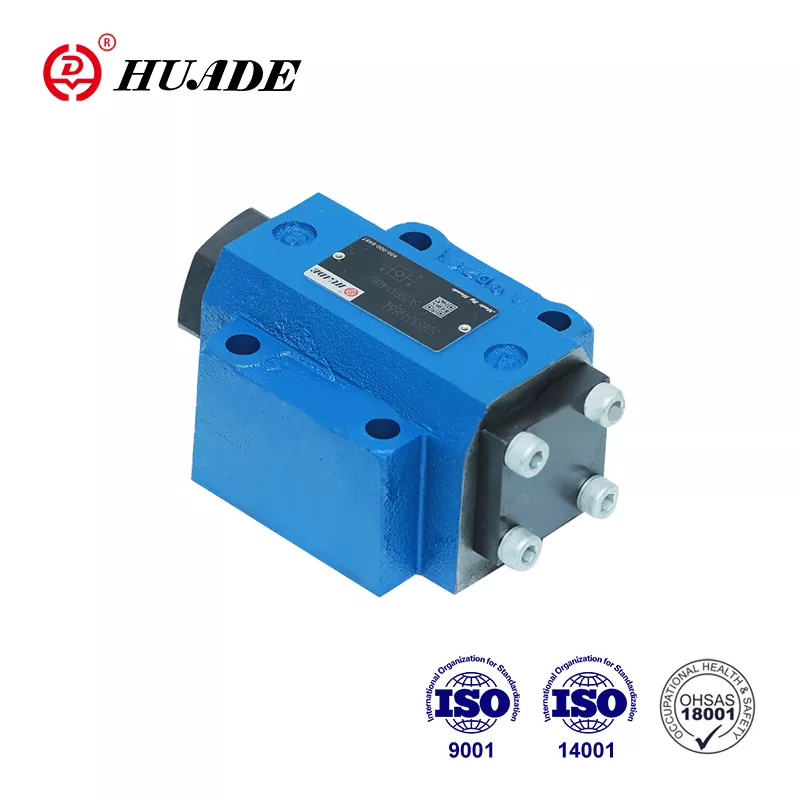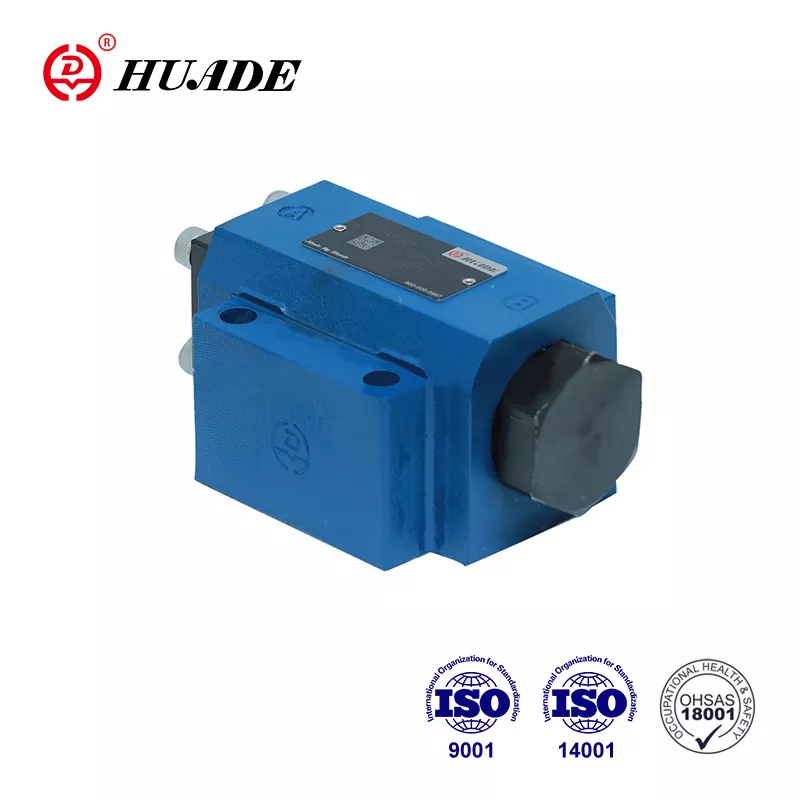





When hydraulic systems need to hold heavy loads safely or prevent unwanted fluid backflow, engineers often turn to pilot operated check valves. Among these, the SL type manufactured by Bosch Rexroth stands out as a reliable solution for industrial and mobile equipment applications. This guide explains what makes the pilot operated check valve SL different from other valve types, how it works, and when you should consider using it in your hydraulic system.
What Is a Pilot Operated Check Valve SL?
A pilot operated check valve SL is a hydraulic component that allows fluid to flow freely in one direction while blocking flow in the opposite direction until a pilot signal releases it. The "SL" designation refers specifically to Bosch Rexroth's external drain variant of their SV series, designed for applications where the pilot oil needs to drain separately from the main circuit.
The valve uses a poppet design and can be mounted on a subplate or connected through threaded ports. When fluid flows from port A to port B, the valve opens easily with minimal resistance. When pressure tries to push fluid back from B to A, the valve seals completely with zero leakage. The only way to open the valve in reverse is by applying pilot pressure to port X, which mechanically lifts the poppet and allows controlled flow.
The key difference between the pilot operated check valve SL and the standard SV model lies in the external drain feature. While SV valves drain pilot oil internally back into the system, SL valves route this oil out through a separate port Y. This external drainage gives designers more flexibility when building complex hydraulic circuits, particularly when the pilot drain needs to connect to tank independently or when internal drainage might cause pressure interference.
How the Pilot Operated Check Valve SL Works
Understanding the working principle of a pilot operated check valve SL helps explain why it performs so well in load-holding applications. The valve contains several key components: a main body, a primary poppet, a pilot poppet, compression springs, and a control piston. These parts work together to create three distinct operating modes.
During free flow from A to B, hydraulic fluid pushes directly against the poppet, opening it with very little resistance. The pressure drop across the valve remains below 5 bar at nominal flow rates, which means minimal energy loss. This free flow direction typically connects to the pump side of your hydraulic circuit.
When pressure builds in the opposite direction from B to A, the system pressure combines with spring force to push the poppet firmly against its seat. This creates a complete seal with no leakage, which is essential for holding loads in position. A vertical hydraulic cylinder, for example, won't drift downward even under full load because the pilot operated check valve SL maintains perfect blockage.
The third mode activates when you apply pilot pressure to port X. This pressure acts on the control piston, which has a larger surface area than the main poppet. The mechanical advantage lets relatively low pilot pressure overcome high system pressure on the blocked side. In the SL configuration, the external drain port Y separates the pilot chamber from port A, ensuring that only the intended control pressure acts on the piston without interference from the load side.
Some pilot operated check valve SL models include a decompression feature, identified by the letter "A" in the model designation. These valves have a small ball poppet that opens slightly before the main poppet lifts. This staged opening gradually releases trapped pressure, reducing shock and noise in your hydraulic system. The "B" variant opens directly without this pre-opening stage, providing faster response but potentially generating more pressure spikes.
The minimum pilot pressure required depends on the load pressure you need to overcome. Engineers calculate this using the formula: pilot pressure should be less than load pressure multiplied by the ratio of poppet area to control piston area. For practical purposes, most pilot operated check valve SL models need at least 5 bar of pilot pressure to begin opening, with the exact requirement varying based on load conditions and valve size.
Technical Specifications and Performance Data
Bosch Rexroth manufactures pilot operated check valve SL models in nominal sizes ranging from NG10 to NG32, covering a wide spectrum of industrial applications. These valves handle maximum pressures up to 315 bar and flow rates reaching 550 liters per minute, making them suitable for demanding hydraulic systems.
The smallest NG10 size works well for compact machinery, handling up to 100 liters per minute with a control volume of just 2.5 cubic centimeters at port X. Mid-range NG16 and NG20 valves support flow rates up to 300 liters per minute, while the largest NG25 and NG32 models accommodate 550 liters per minute for heavy industrial equipment. Each size maintains the same maximum working pressure of 315 bar, though control pressure can range from 5 to 315 bar depending on your application needs.
Weight considerations matter for mobile equipment designers. An NG10 pilot operated check valve SL in subplate mounting configuration weighs approximately 1.8 kilograms, while the NG32 model reaches 7.8 kilograms. Threaded connection versions add roughly 0.3 kilograms to these figures. The physical dimensions vary accordingly, with NG10 measuring about 100.8 millimeters in length and using G1/4 port threads, while NG32 extends to 140 millimeters with G1 1/2 ports.
Temperature performance covers typical industrial conditions. With standard NBR seals, the pilot operated check valve SL operates reliably from negative 30 degrees Celsius to positive 80 degrees Celsius. If your application involves higher temperatures or aggressive fluids, FKM seal material provides better resistance. The valve accepts hydraulic fluids with viscosity ranging from 2.8 to 500 square millimeters per second, though optimal performance occurs with standard HLP46 oil at 40 degrees Celsius.
Contamination control remains critical for long valve life. Bosch Rexroth recommends maintaining fluid cleanliness to ISO 4406 class 20/18/15 or better. Following their RE 50070 filtration standards helps prevent the pilot passages from clogging, which is one of the most common failure modes for pilot operated check valves.
Selecting the Right Model for Your Application
Choosing between different pilot operated check valve SL variants depends on several factors in your hydraulic system design. The basic single pilot SL configuration works well when you need to control flow in only one direction. This setup is common in vertical cylinder applications where gravity tries to pull the load down and you need remote release capability.
Double pilot versions provide control in both directions, making them ideal for double-acting cylinders that require load holding at both ends of the stroke. Construction equipment like excavator arms often use this configuration to prevent drift in either direction when the operator releases the controls. The dual pilot feature of the pilot operated check valve SL ensures the load stays exactly where positioned, regardless of external forces.
The decompression option becomes important when your system experiences high pressure differentials or when sudden pressure release could damage components. Type A models with the ball poppet pre-opening stage reduce shock in the hydraulic lines and minimize noise during valve switching. This makes them preferable for applications where operator comfort matters or where pressure spikes might harm sensitive components. Type B models without pre-opening respond more quickly and work well when rapid valve actuation is more important than gradual pressure release.
Connection method choice depends on your system architecture. Subplate mounting following DIN 24340 standards allows compact manifold integration and cleaner plumbing, particularly valuable in mobile equipment where space is limited. Threaded connections offer more flexibility for retrofit applications or systems where manifold mounting isn't practical. The pilot operated check valve SL supports both approaches with compatible dimensions.
Opening pressure adjustment provides another tuning parameter. Standard models use spring preload settings between 1.5 and 10 bar, which determines how much reverse pressure builds before the main poppet seats firmly. Lower opening pressures allow easier free flow but may cause the valve to reseat later during pressure decay. Higher opening pressures ensure positive seating but increase pressure drop in the free flow direction.
Where Pilot Operated Check Valves SL Perform Best
Industrial automation relies heavily on pilot operated check valve SL technology for precise load control. Manufacturing presses use these valves to maintain ram position during press cycles, preventing the heavy upper platen from drifting when hydraulic pressure drops. Injection molding machines employ similar setups to keep mold halves locked under high clamping force, ensuring consistent part quality.
Mobile equipment represents perhaps the largest application area for the pilot operated check valve SL. Excavators, wheel loaders, and backhoes all need reliable load holding in their boom, stick, and bucket circuits. When an operator parks the machine with the bucket elevated, the pilot operated check valve prevents the load from creeping downward due to cylinder seal leakage or thermal expansion of trapped oil. The external drain configuration of SL valves works particularly well in these applications because it avoids internal pressure feedback that could cause instability.
Crane applications demand even higher reliability because load drops create serious safety hazards. Outrigger stabilizers on mobile cranes use pilot operated check valves SL to maintain position for days or weeks during extended lifts. The zero leakage characteristic ensures the crane remains level throughout the operation. Many crane designs include dual pilot operated check valves on both sides of each cylinder, creating redundant load holding that continues functioning even if one valve fails.
Water treatment facilities have discovered that pilot operated check valve SL models simplify maintenance procedures. Pump stations use these valves to isolate motors during service while allowing remote activation for reverse flushing of filters. The external pilot drain lets maintenance personnel control valve opening from a safe distance, keeping workers away from high-pressure zones. This remote capability reduces downtime and improves safety compared to manually operated isolation valves.
Wind turbine blade pitch control systems represent a growing application for pilot operated check valves. Each blade connects to hydraulic cylinders that adjust angle relative to the wind. The pilot operated check valve SL holds blade position during normal operation while allowing rapid adjustment when wind conditions change. The zero leakage specification matters here because even small blade angle changes affect turbine efficiency and structural loading.
Material handling equipment like forklifts benefits from the precise control these valves provide. The mast lift cylinders need to hold loads at any height without drift, which the pilot operated check valve SL accomplishes reliably. The dual pilot variant allows controlled lowering even under heavy loads by modulating pilot pressure to create smooth descent rather than free-fall.
Advantages That Make SL Valves Stand Out
The most significant advantage of a pilot operated check valve SL is its zero leakage characteristic in the blocked direction. Unlike direct-acting check valves that may seep slightly under high pressure, or counterbalance valves that inherently have some controlled leakage, the SL valve creates a perfect seal. This matters critically for static load holding where even minor drift accumulates over time into significant position errors.
Remote control capability extends operator reach and improves safety. By applying pilot pressure from a distant location, you can release loads without standing near potentially dangerous equipment. Emergency stop systems can also integrate with pilot operated check valve SL circuits, automatically releasing trapped loads when safety interlocks activate. This flexibility proves valuable in automated systems where human intervention needs to be minimized.
High flow capacity relative to valve size helps system designers minimize component bulk. The largest pilot operated check valve SL models handle 550 liters per minute, sufficient for most industrial cylinders, while maintaining compact mounting dimensions. This high flow capability comes with low pressure drop in the free flow direction, typically under 5 bar at nominal flow rates, which means less wasted energy and cooler operating temperatures.
Fast response to changing conditions gives pilot operated check valves an edge in dynamic applications. When pilot pressure applies, the valve opens quickly, and when pilot pressure releases, the spring and system pressure snap the poppet shut almost instantly. The decompression variants slow this action deliberately to reduce shock, but even these models respond faster than alternative valve types that rely on fluid friction or complicated metering circuits.
Bidirectional flexibility in double pilot configurations eliminates the need for multiple valves in complex circuits. A single pilot operated check valve SL with dual pilot inputs can replace two separate valves in applications requiring load holding in both directions. This reduces part count, potential leak points, and overall system complexity while improving reliability through fewer components.
Understanding the Limitations and Risks
Structural complexity creates the primary drawback of pilot operated check valve SL designs compared to simpler direct-acting valves. The additional components including pilot poppets, control pistons, and external drain passages increase manufacturing cost and create more potential failure points. Small pilot passages are particularly vulnerable to contamination, which can block the control signal and prevent the valve from opening when needed.
Maintenance requirements run higher for pilot operated check valves than for simpler alternatives. The pilot passages need regular inspection and cleaning to prevent clogging. Seal wear on both the main poppet and pilot poppet requires periodic replacement, typically using either NBR or FKM materials depending on your fluid and temperature conditions. These maintenance tasks demand more technical knowledge than servicing a basic check valve, potentially requiring specialized training for maintenance personnel.
Dynamic load applications can cause chattering problems with pilot operated check valve SL models. When loads oscillate or vibrate, the valve may repeatedly open and close at its threshold pressure, creating noise and accelerated wear. Counterbalance valves handle these dynamic conditions more smoothly through their progressive opening characteristics. If your application involves constant load movement rather than static holding, a pilot operated check valve might not be the best choice.
Thermal expansion effects present a subtle but real risk in pilot operated check valve applications. When hydraulic oil trapped between a closed valve and a load warms up, it expands and increases pressure. Engineers sometimes call this "thermal lock" because the pressure rise can become so severe that the pilot signal cannot overcome it. Temperature increases around 10 degrees Celsius can generate pressure rises exceeding 100 bar in trapped volumes. Designing in thermal relief valves or considering temperature-stable fluids helps mitigate this risk.
Cost considerations make pilot operated check valve SL models less attractive for simple applications. A basic direct-acting check valve costs significantly less and works perfectly well for straightforward backflow prevention where load holding isn't required. The sophisticated control features of an SL valve only justify their higher price when your application specifically needs remote release capability, zero leakage, or precise bidirectional control.
Comparing SL Valves to Alternative Solutions
Direct-acting check valves represent the simplest alternative to a pilot operated check valve SL. These basic valves use fluid pressure alone to lift the poppet against a light spring, allowing flow in one direction while blocking reverse flow. They respond very quickly and cost much less than pilot-operated designs. However, direct-acting check valves may leak slightly under high pressure, wear faster due to direct fluid impingement on the poppet, and cannot be opened remotely in the reverse direction. They work well for pump outlet protection or basic line isolation but fail to meet requirements for true load holding.
Counterbalance valves combine a pressure relief function with check valve behavior, creating smooth control for dynamic loads. These valves modulate opening based on load pressure, allowing controlled descent of vertical loads while maintaining backpressure to prevent runaway. They excel in mobile equipment motion control where loads constantly move, like crane hoists or vehicle lift gates. The tradeoff is that counterbalance valves always have some controlled leakage and cost more than either direct-acting or pilot operated check valves. For static load holding where no movement is desired, a pilot operated check valve SL provides better performance at lower cost.
Electrically controlled solenoid valves offer another option for remote release capability. These valves use electromagnetic coils to shift internal spools or poppets, providing on-off control without requiring pilot pressure. They work well in systems with electronic control architecture and can integrate directly with PLCs and other automation equipment. However, solenoid valves typically have lower flow capacity than comparably sized pilot operated check valves, generate heat during continuous energization, and need electrical power to maintain open positions. The pilot operated check valve SL wins in applications where hydraulic power is readily available and electrical complexity should be minimized.
Hydraulic fuses represent a specialized alternative for safety-critical load holding. These devices automatically close when they detect excessive flow rates that might indicate a ruptured hose or broken fitting. They provide emergency protection that pilot operated check valves cannot offer. However, fuses don't provide remote release capability and may false-trigger on legitimate high flow conditions. Many engineers combine both technologies, using a pilot operated check valve SL for normal control and a hydraulic fuse for emergency backup protection.
Maintenance Practices That Extend Service Life
Regular inspection schedules keep pilot operated check valve SL systems running reliably. Monthly visual checks should look for external oil leakage around seals and mounting surfaces. Even small leaks indicate seal degradation that will worsen over time. Listening for unusual noises during valve operation can reveal problems before complete failure occurs. Chattering or squealing sounds often mean unstable pressure conditions or worn poppet surfaces.
Fluid cleanliness maintenance protects the small pilot passages that make pilot operated check valves vulnerable to contamination. Following ISO 4406 cleanliness class 20/18/15 requirements means your filtration system captures particles before they can lodge in control orifices. Using proper hydraulic oil without water contamination prevents corrosion of internal surfaces. Many maintenance programs include quarterly oil sampling and analysis to verify contamination levels stay within acceptable ranges.
Pilot line inspection deserves special attention because these small-diameter tubes and passages clog easily. Disconnecting and back-flushing pilot lines annually removes accumulated debris. Check valves in the pilot circuit should be cleaned or replaced if they show signs of sticking. Testing pilot pressure with a gauge confirms that adequate control signal reaches port X when you command the pilot operated check valve SL to open.
Seal replacement intervals depend on operating conditions but typically occur every two to five years. NBR seals last longer in moderate temperature applications, while FKM seals withstand higher temperatures and aggressive fluids but cost more. When replacing seals, inspect mating surfaces on the poppet and valve body for scoring or wear that might prevent good sealing even with new elastomers. Light polishing with fine abrasive paper can restore sealing surfaces, but deep scoring requires valve body replacement.
Functional testing validates that pilot operated check valves still perform correctly. A simple test uses a vertical cylinder loaded with weight. With pilot pressure blocked, the load should remain perfectly stationary for hours or days, demonstrating zero leakage. Applying rated pilot pressure should open the valve and allow the load to descend smoothly. If the load creeps downward with pilot pressure off, or if excessive pilot pressure is needed to open the valve, maintenance or replacement is required.
Troubleshooting Common Problems
When a pilot operated check valve SL fails to open on command, start by verifying pilot pressure at port X. Using a pressure gauge at the pilot connection confirms whether adequate signal pressure reaches the valve. If pilot pressure measures below 5 bar, the problem lies in the pilot circuit rather than the valve itself. Check for blocked lines, failed pilot valves, or inadequate pump capacity on the pilot supply.
If pilot pressure reads correctly but the valve still won't open, suspect contamination in the pilot passage or a stuck control piston. Disassembling the valve typically reveals dirt or corrosion preventing piston movement. Thoroughly cleaning all internal passages and replacing seals usually restores function. In severe cases, the control piston surface may be scored and require replacement.
Leakage in the blocked direction indicates poppet or seat damage. Small amounts of contamination can embed in the soft poppet surface, creating leak paths even when the valve is closed. Disassembly and inspection will show whether cleaning the poppet and seat restores sealing, or whether replacement parts are needed. If leakage persists after cleaning, check that system pressure hasn't exceeded the valve's rated capacity, which can permanently damage sealing surfaces.
Chattering or vibration during operation suggests the load is unstable or the pilot pressure oscillates. Verify that the load remains steady during valve operation. If the load itself vibrates, the pilot operated check valve SL may not be the right solution for that application. Pressure instability in the pilot circuit can cause the valve to repeatedly open and close at its threshold. Installing an accumulator in the pilot line often smooths out these pressure fluctuations and stops chattering.
Noise during valve switching typically means the decompression feature isn't working correctly or the application needs a type A valve instead of type B. Models without the ball poppet pre-opening stage release pressure suddenly, which can generate acoustic shock in the hydraulic lines. If noise is unacceptable, switching to a decompression variant pilot operated check valve SL usually solves the problem. Alternatively, adding a small orifice in the pilot line slows valve opening, reducing shock at the cost of slightly slower response.
Thermal lock situations require different troubleshooting approaches. If loads become difficult to move after the system sits idle in hot conditions, trapped fluid expansion is likely causing excessive pressure. Installing small thermal relief valves set above normal working pressure but below pilot override capacity allows thermal expansion without affecting normal operation. Alternatively, using temperature-stable hydraulic fluids reduces thermal expansion coefficients.
Future Developments and Industry Trends
Hydraulic system designers increasingly integrate sensors with pilot operated check valve SL components to enable predictive maintenance. Pressure transducers in pilot lines monitor control signal strength, alerting operators before pilot pressure degrades below functional levels. Contamination sensors in the drain line from port Y detect when particles begin accumulating, triggering maintenance before blockage occurs. These smart valve systems reduce unplanned downtime by catching problems early.
Environmental regulations drive adoption of biodegradable hydraulic fluids, particularly in mobile equipment and forestry applications. Modern pilot operated check valve SL designs accommodate these fluids through compatible seal materials and enhanced corrosion protection. VDMA 24568 and similar standards help engineers select appropriate valves for bio-oil applications. As environmental concerns grow, expect broader compatibility with alternative fluid chemistries.
Miniaturization trends in mobile equipment create demand for smaller, lighter pilot operated check valves without sacrificing performance. Advanced manufacturing techniques including 3D printing and precision casting may enable more compact designs. Weight reduction matters significantly in battery-electric mobile equipment where every kilogram affects operating range. Future pilot operated check valve SL models might incorporate lighter materials like aluminum or engineered plastics in non-pressure-bearing components.
Energy efficiency improvements focus on reducing pressure drops in the free flow direction. Even the current 5 bar pressure drop at nominal flow represents wasted energy that becomes heat. Optimized flow path geometry could potentially cut pressure drop in half, improving overall system efficiency. As energy costs rise and environmental pressure increases, these efficiency gains become more economically attractive.
Integration with electronic control systems will likely expand. While the pilot operated check valve SL currently relies purely on hydraulic pilot signals, future versions might incorporate electronic pilot valves and position sensors built directly into the valve body. This integration simplifies system architecture and enables more sophisticated control algorithms while maintaining the mechanical simplicity and reliability that make pilot operated check valves attractive.
Making the Right Choice for Your Application
Selecting a pilot operated check valve SL versus alternative technologies requires careful evaluation of your specific requirements. Start by identifying whether your application needs static load holding or dynamic load control. If the load should remain completely stationary when the valve is closed, the zero leakage characteristic of a pilot operated check valve SL makes it the best choice. If the load moves frequently with controlled descent rates, a counterbalance valve probably serves better.
Consider whether remote release capability matters in your design. Simple applications where manual valve operation is acceptable can use less expensive direct-acting check valves. When operators need to control valve opening from a distance, or when automated systems must integrate valve control, the pilot operated check valve SL provides essential remote operation through its pilot circuit. Safety considerations often drive this requirement when keeping personnel away from hazardous areas improves overall system safety.
Evaluate your system's contamination control capabilities honestly. Pilot operated check valve SL models demand clean hydraulic fluid and proper filtration. If your application operates in dusty environments with marginal filtration, or if maintenance practices are inconsistent, simpler valve types with fewer small passages might prove more reliable despite their performance limitations. Don't select sophisticated valves for systems that cannot maintain the cleanliness these valves require.
Flow rate and pressure requirements narrow your valve size selection. Measure actual flow rates in your circuit rather than relying on pump capacity, since most systems don't operate at maximum flow continuously. Choosing the smallest valve that handles your actual flow rates minimizes cost and weight. Pressure ratings should exceed maximum system pressure with adequate safety margin, typically selecting valves rated at least 25 percent above maximum expected pressure.
External drain requirements determine whether you need an SL model or if the simpler SV variant suffices. If your pilot drain can return to tank through the same manifold as the main valve, internal drain SV models work fine. When pilot drain must route separately, perhaps to ensure tank pressure doesn't interfere with pilot operation, the external drain port Y on pilot operated check valve SL models provides necessary flexibility.
Installation space constraints affect mounting style selection. Subplate mounting offers the most compact installation when you can design a manifold to accommodate multiple valves. Threaded connections provide flexibility for retrofit applications or test stands where manifold fabrication isn't practical. Measure available space carefully and review dimensional drawings before committing to a particular mounting configuration.
Conclusion
The pilot operated check valve SL fills a specific but important role in hydraulic systems requiring remote-controlled, zero-leakage load holding. Its external drain configuration provides design flexibility that standard SV models cannot match, particularly valuable in complex circuits where pilot pressure routing matters. Understanding both the capabilities and limitations of these valves helps engineers make informed decisions about when to use them and how to maintain them properly.
For static load applications in industrial automation, mobile equipment, and safety-critical systems, pilot operated check valve SL technology delivers reliable performance that simpler alternatives cannot match. The higher cost and maintenance requirements are justified when zero leakage and remote control are essential. Less demanding applications often work fine with direct-acting check valves or other simpler solutions at lower cost.
Proper selection requires matching valve specifications to actual system requirements, considering nominal size, pressure ratings, seal materials, and mounting configuration. Detailed technical documentation from Bosch Rexroth, including the RE 21482 catalog, provides the data needed for accurate valve sizing. Suppliers like Hyquip and Leader Hydraulics can provide application support and pricing for specific models.
Maintenance programs that emphasize contamination control and regular inspection keep pilot operated check valve SL systems running reliably for ten years or more. When problems develop, systematic troubleshooting usually identifies fixable causes like pilot line blockage or seal wear. Understanding how these valves work internally makes troubleshooting much more effective.
As hydraulic technology evolves toward greater integration with electronic controls and improved energy efficiency, pilot operated check valve SL designs will continue adapting to meet new requirements. The fundamental operating principle—using pilot pressure to mechanically release a sealed poppet—remains sound and will likely serve hydraulic systems for many decades to come. Engineers who understand these valves thoroughly can design better systems and solve problems more effectively.