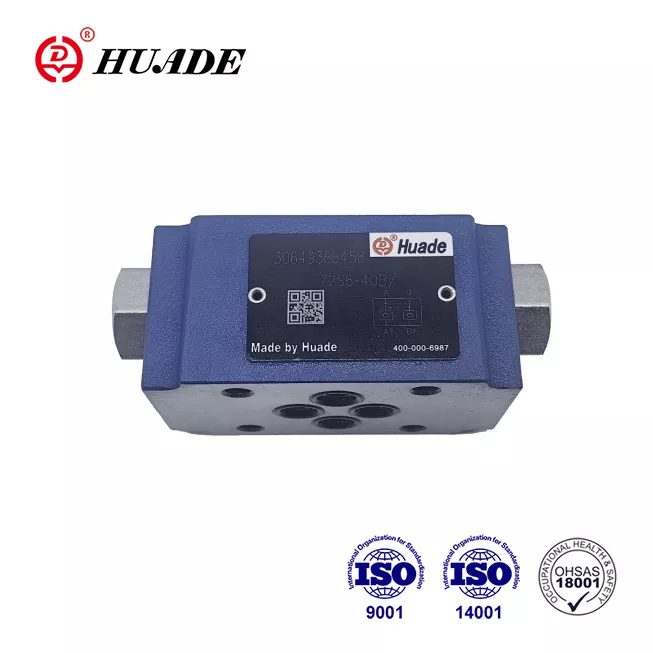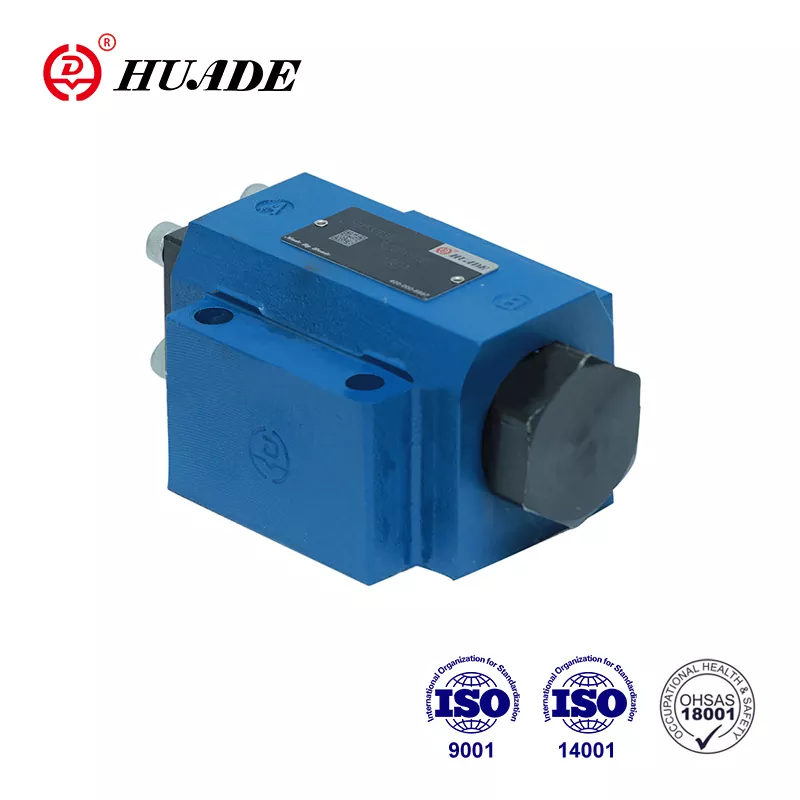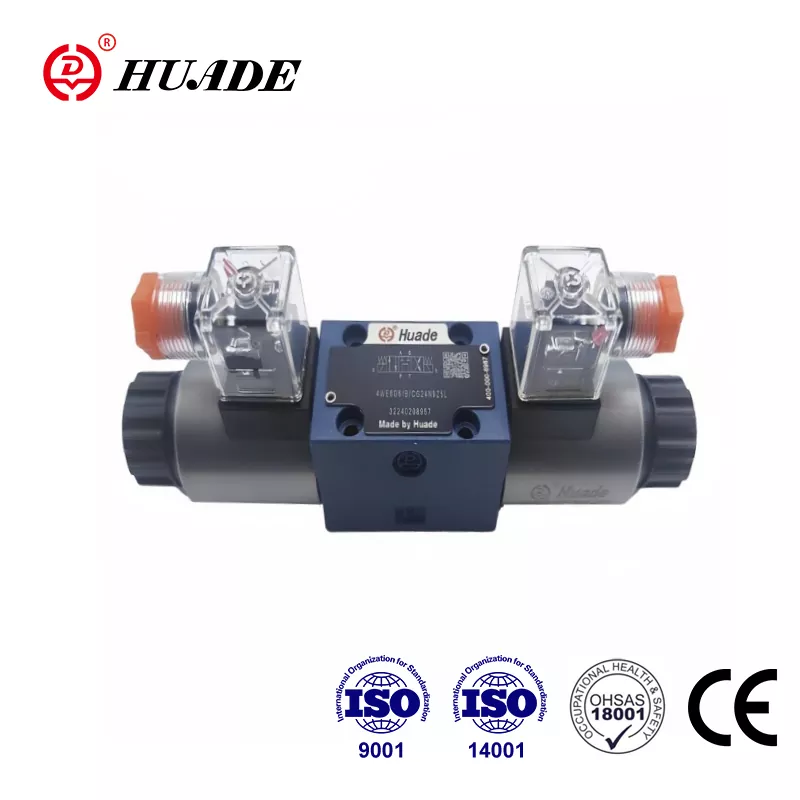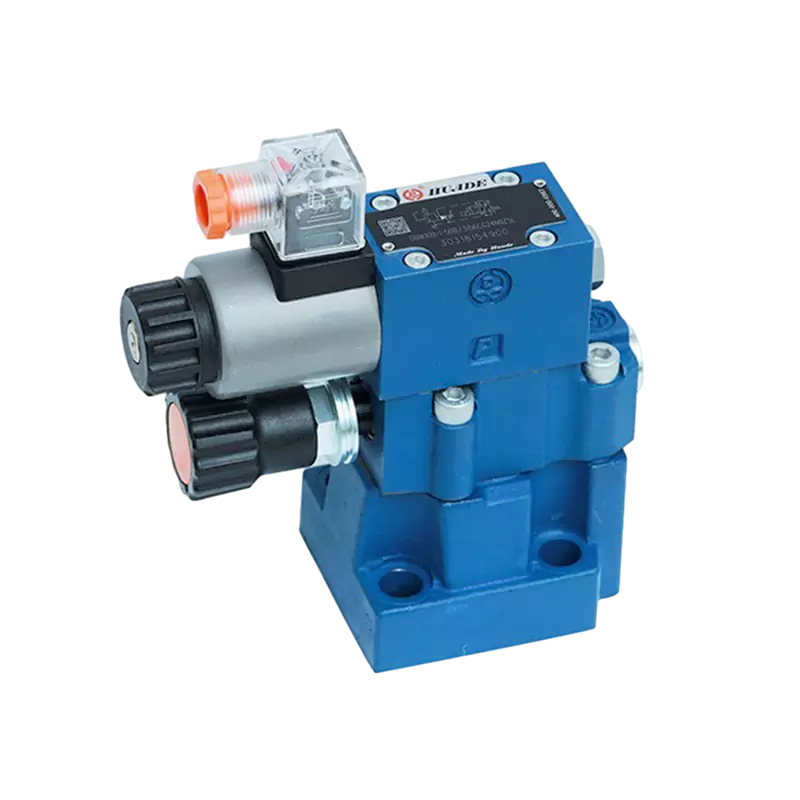





Yes, most pressure relief valves can be adjusted, but whether you should adjust them depends entirely on the valve type, application context, and regulatory requirements.
In industrial hydraulic systems, adjusting a relief valve is a routine maintenance task performed by qualified technicians to optimize system pressure. However, in ASME-coded applications like boilers, adjustment is legally restricted to certified repair organizations. The fundamental difference lies not in the mechanical capability—nearly all spring-loaded relief valves have adjustable elements—but in the consequences of improper adjustment.
Understanding What "Adjustment" Actually Means
When engineers talk about adjusting a pressure relief valve, they're referring to modifying the spring compression force that determines the cracking pressure—the point at which the valve begins to open. This is accomplished by rotating an adjustment screw that either compresses or releases the spring inside the valve body.
The physics is straightforward: according to Hooke's Law (F = kx), changing the spring compression distance directly alters the force required to unseat the poppet or disc.
Industrial vs. ASME: The Context Gap
The rules change completely depending on where the valve is installed. It is critical to understand which category your equipment falls into.
In mobile equipment and presses, adjustment is Standard Practice.
- Protects pumps from load spikes
- Adjusted for seasonal temperature/viscosity changes
- Performed by maintenance technicians
In boilers and pressure vessels, adjustment is Legally Restricted.
- Requires National Board "VR" Stamp
- Strict audit & quality control required
- Uncertified adjustment makes the vessel illegal
Safety First: Critical Precautions
Regardless of whether you're working on a simple hydraulic relief valve or a Code safety valve, certain safety principles are non-negotiable.
Never attempt to adjust a relief valve while the system is pressurized above 90% of the current set pressure. If you loosen the adjustment screw while at high pressure, the valve can pop open violently, potentially unscrewing completely and becoming a high-velocity projectile.
ASME valves require cold differential test pressure (CDTP) calculations that account for temperature effects. If you test a valve at 70°F but it operates at 450°F, the spring becomes softer. You must compensate for this:
Where Kt is the temperature correction factor (typically 1.01 to 1.03 for common spring materials at 400°F). Getting this wrong can cause the valve to fail.
Standard Adjustment Procedure (Industrial)
For standard industrial hydraulic valves, follow this procedure to ensure accuracy and safety.
- Establish Baseline: Install a tee fitting at the inlet with a calibrated gauge. With the system unloaded, slowly increase pressure to find the current "as-found" condition.
-
Adjust: Loosen the locknut. Turn the adjustment screw:
- Clockwise = Increases Pressure
- Counter-Clockwise = Decreases Pressure
- Verify: Make small adjustments (1/4 turn). Monitor the gauge under stall load until pressure stabilizes at target.
- Repeatability Test: Perform three consecutive tests. The valve should open within ±2% of the set pressure each time.
Common Adjustment Scenarios
Use this reference chart to diagnose whether a valve needs adjustment or repair.
| Symptom | Likely Cause | Adjustment Action |
|---|---|---|
|
Pressure too high (Overheating) |
Set pressure exceeds requirement | Turn screw counter-clockwise 1/4 turn at a time. Monitor gauge under stall load. |
|
Pressure too low (Weak actuators) |
Set pressure low or spring fatigue | Turn screw clockwise incrementally. Verify under maximum load. |
|
Valve chatters (Rapid cycling) |
Blowdown too short | Lower the guide ring to increase flow resistance (Gas service valves only). |
|
Simmering (Leaking before full open) |
Nozzle ring incorrect | Raise nozzle ring to enhance "pop" action. Do not just tighten the spring to stop a leak! |
Conclusion: Capability vs Legitimacy
The question "can you adjust a pressure relief valve" has a deceptively simple answer. Mechanically, yes. But the engineering reality involves calculating temperature corrections, understanding blowdown dynamics, and knowing when adjustment is appropriate versus when the valve needs repair.
A Final Warning on Residential Valves: Homeowners often ask this regarding water heater T&P valves. These are not adjustable. If a residential T&P valve drips, the correct action is immediate replacement, never adjustment.