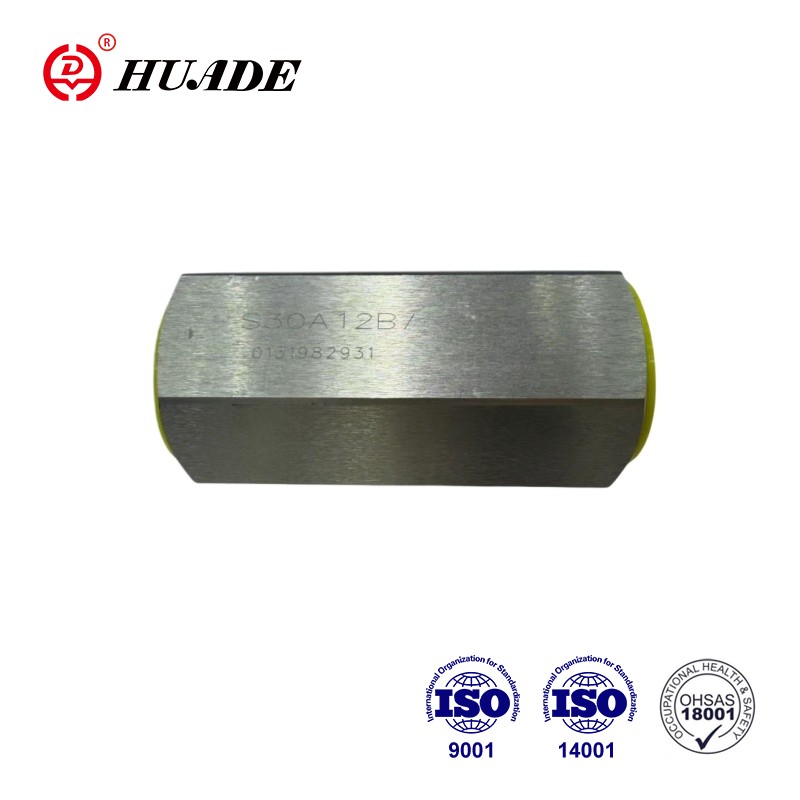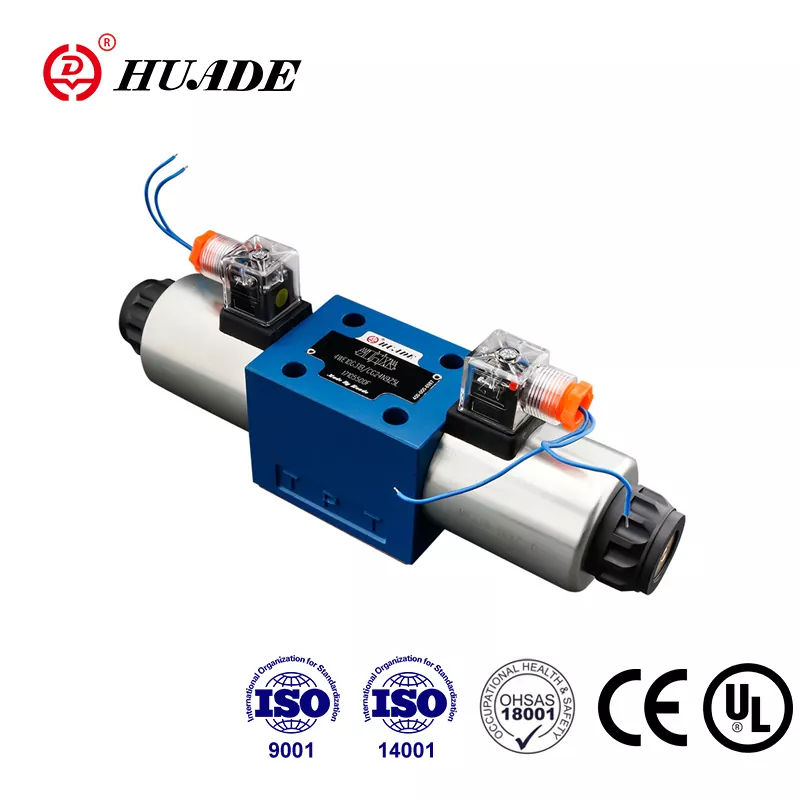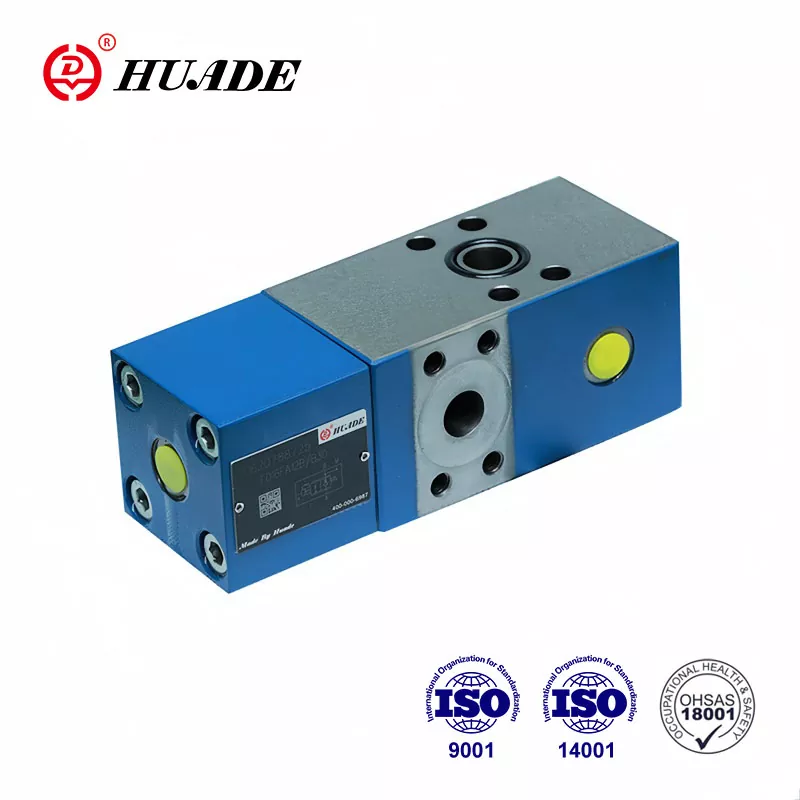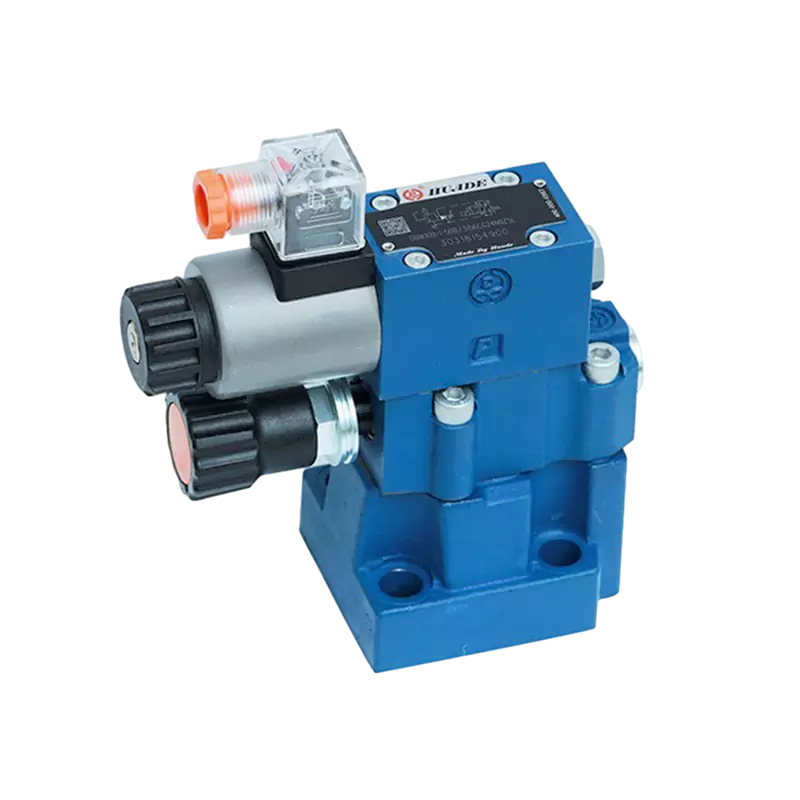





If you are looking for a quick answer, here it is: The most common example of a flow control valve is a Needle Valve. You have probably used a simple version of one today—the faucet on your kitchen sink acts just like a flow control valve. By turning the handle, you restrict the water's path, controlling how fast the water flows out.
In industrial and hydraulic systems, however, "Flow Control Valves" are precision engineered components. They don't just turn flow on and off; they regulate speed (velocity) and volume. Here are the 3 most important examples you need to know, from simple manual valves to complex hydraulic components.
1. The Needle Valve (The Most Common Example)
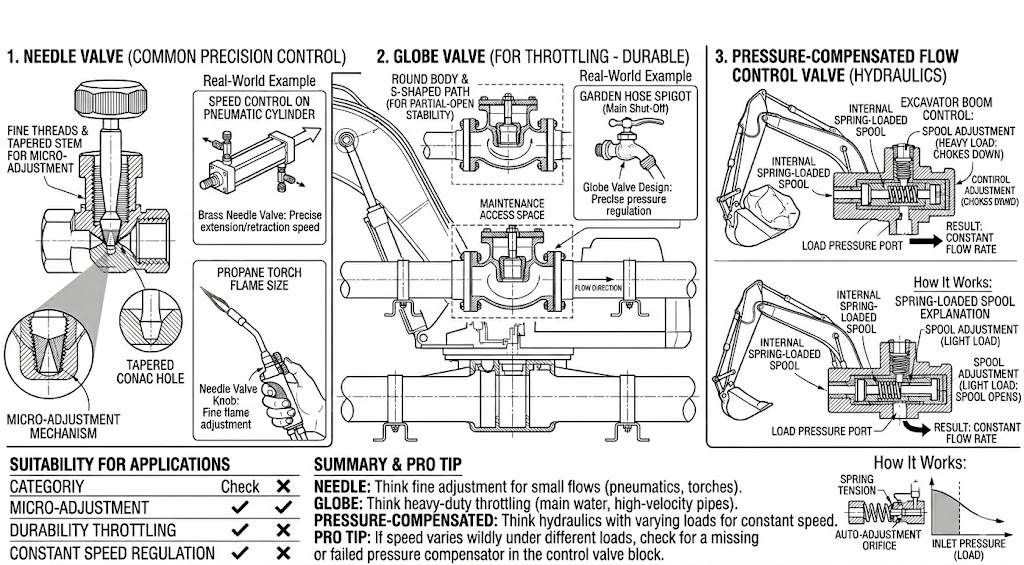
What it is: A manual valve with a slender, tapered "needle" that seats into a conical hole.
How it works: Because of the fine threads on the stem, you have to turn the handle many times to open it just a tiny bit. This allows for extremely precise, gradual regulation of fluid.
Real-World Example:
- Speed Control on Pneumatic Cylinders: You will often see small brass needle valves screwed into the ports of air cylinders on factory machines. They control how fast the cylinder extends or retracts.
- Propane Torches: The knob you turn to adjust the flame size on a soldering torch is a needle valve.
2. The Globe Valve (For Throttling)
What it is: A heavy-duty valve with a round body. Inside, the fluid is forced to change direction (following an S-shape) to pass through a restriction.
How it works: Unlike a Gate Valve (which is only for fully open/closed states), a Globe Valve is designed to be partially open. The disc moves up and down perpendicular to the seat, making it durable against the wear and tear of high-velocity fluid.
Real-World Example:
- Main Water Supply: The main shut-off valve for a garden hose spigot is often a globe valve design, allowing you to regulate the water pressure effectively.
3. The Pressure-Compensated Flow Control Valve (Hydraulics)
What it is: A sophisticated hydraulic component that maintains a constant flow rate, even if the load changes.
Why we need it: Imagine a forklift lowering a heavy pallet. Without pressure compensation, a heavier pallet would fall faster than a light one because gravity pushes the fluid harder.
How it works: It uses a mechanical spring-loaded spool to automatically adjust the opening size. If the pressure rises (heavy load), the valve chokes down slightly to keep the speed steady.
Real-World Example:
- Heavy Equipment: The joystick control on an excavator uses these valves to ensure the boom moves at the same speed whether the bucket is empty or full of rocks.
FAQ: Clearing Up the Confusion
Is a Ball Valve a flow control valve?Technically, yes, but practically, no. A Ball Valve is designed as a "Shut-Off Valve." It is meant to be 100% Open or 100% Closed.
Use Ball Valves for On/Off. Use Needle or Globe Valves for Control.
If you leave a ball valve half-open:
- The water rushing past the edge of the ball will erode the seal (wire-drawing).
- The handle is very sensitive—a tiny movement causes a huge change in flow.
It’s easy to mix them up:
- Flow Control Valves control Speed (How fast the cylinder moves).
- Pressure Control Valves (like Relief Valves) control Force (How hard the cylinder pushes).
| Valve Type | Primary Function | Best For... |
|---|---|---|
| Needle Valve | Precision Metering | Fine-tuning speed in air cylinders; instrumentation. |
| Globe Valve | General Throttling | Regulating water flow in pipes; cooling systems. |
| Ball Valve | Shut-Off (Isolation) | Quick on/off switching. Not recommended for flow control. |