




If you are swapping from drum to disc brakes, or if your rear wheels lock up every time you tap the pedal, you are dealing with a Brake Proportioning Valve issue. This component is the "traffic cop" of your hydraulic system. Without it, the rear brakes would engage too hard and too fast, causing the car to spin out during emergency stops.
This guide covers the plumbing diagrams for Adjustable Valves (common in racing/hot rods) and Combination Valves (OEM street cars), along with troubleshooting steps to get your brake bias dialled in perfectly.
The Basics: Which Valve Do You Have?

Before we look at the diagrams, identify your hardware. Mixing up the plumbing on these two types is the #1 cause of brake failure after a restoration.
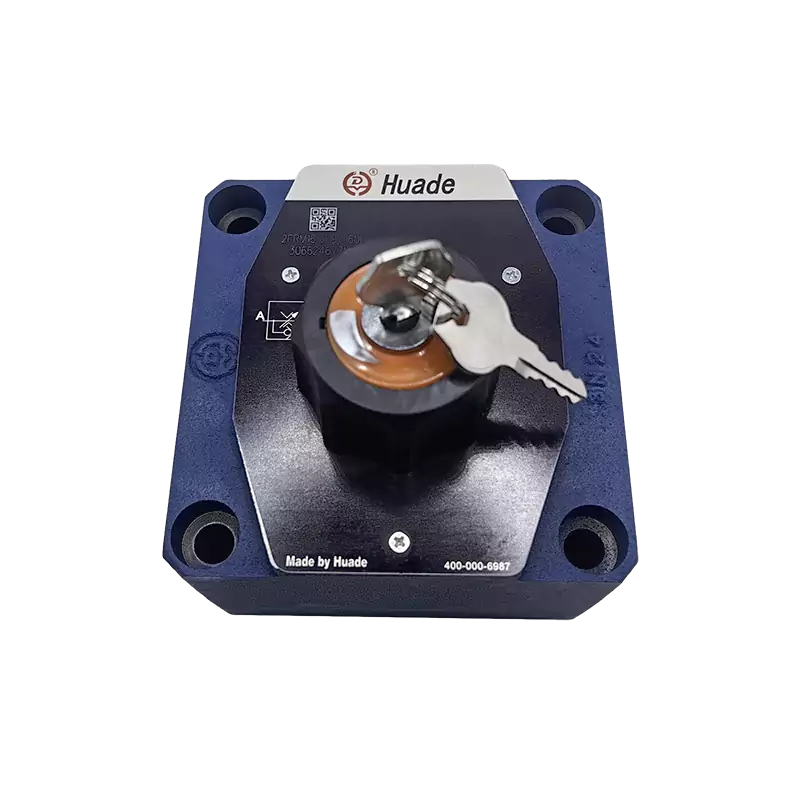
Type A: Adjustable Proportioning Valve- Best For: Race cars, Hot Rods, Disc Brake Conversions (e.g., Wilwood, Tilton).
- Visual: A small block with a rotary knob or lever.
- Function: Limits rear pressure only. It does NOT control the front brakes.
- Mounting: Installed inline on the rear brake line.
- Best For: Stock restorations (GM, Ford, Jeep).
- Visual: A complex brass block with multiple ports and a wire connector.
- Function: Three jobs in one: Proportioning, Metering (delays front discs), and Differential Switch (warning light).
Plumbing Diagrams (The "How-To")
A. Universal Adjustable Valve PlumbingThis is the setup for most aftermarket upgrades.
Critical Rule: The adjustable valve NEVER goes on the front brake line. It sits between the Master Cylinder and the Rear Brakes.
- IN Port: Connects to the Master Cylinder (Rear Bowl).
- OUT Port: Connects to the Rear Brake Line (going to the axle).
The "Combo Valve" is a central hub.
- Top Ports: Feed from the Master Cylinder (Front bowl to Front port, Rear bowl to Rear port).
- Bottom Ports: Feed the wheels. Often two ports for the front wheels and one port for the rear.
Note the small pin covered by a rubber boot on the front of the valve. This is the Metering Valve. You must hold this pin in (or use a special tool) when bleeding the brakes, or fluid won't flow to the front calipers.
How It Works: The "Knee Point" Concept
Why do you need this valve? It's about physics. When you slam on the brakes, the car's weight transfers to the front nose. The rear tires lose grip. If you send full pressure to the light rear end, the wheels will lock.
- Stage 1 (Normal Braking): Pressure is 1:1. Input equals Output.
- The Knee Point: At a specific pressure (e.g., 400 psi), the valve activates.
- Stage 2 (Hard Braking): The valve restricts the rear pressure rise. For every 100 psi added, the rear might only get 43 psi. This keeps the car straight.
Adjustment & Tuning Guide (For Adjustable Valves)
You just installed your Wilwood valve. How do you set it? Do not guess—perform a road test.
- The "Skid Test": Find a safe, empty, dry lot.
- Start Low: Turn the knob all the way OUT (least rear pressure).
- 30 MPH Stop: Slam the brakes. Only the front tires should lock up.
- Increase Bias: Turn the knob IN (Clockwise) 1-2 turns.
- Repeat: Go faster (40-50 MPH) and brake hard.
The Sweet Spot: You want the Front wheels to lock up just slightly before the Rear wheels.
Troubleshooting: Common Symptoms
| Symptom | Diagnosis | Solution |
|---|---|---|
| Rear wheels lock instantly | Valve bypassed or set to "Full Increase" | Adjust knob out. Check for stuck internal piston (OEM). |
| Brake Light Warning on | Differential switch tripped | Fix leaks, then stomp pedal hard to center the switch. |
| No fluid to rear brakes | Valve stuck closed or Backwards | Check IN/OUT flow direction. Ensure knob isn't fully closed. |
| Leaking from "Weep Hole" | Internal O-rings failed | Do not repair. Replace unit immediately. |
The most common cause of "I can't bleed my rear brakes" is swapped lines. On many adjustable valves, the IN port is on the side with the knob, but not always. Look for the stamped arrow or "IN/OUT" text on the brass body. If you hook the Master Cylinder to the OUT port, the internal check valve will block flow completely.